Quick picks
The picks at a glance
| # | Product | Best for | Score | Price |
|---|---|---|---|---|
| 1 | 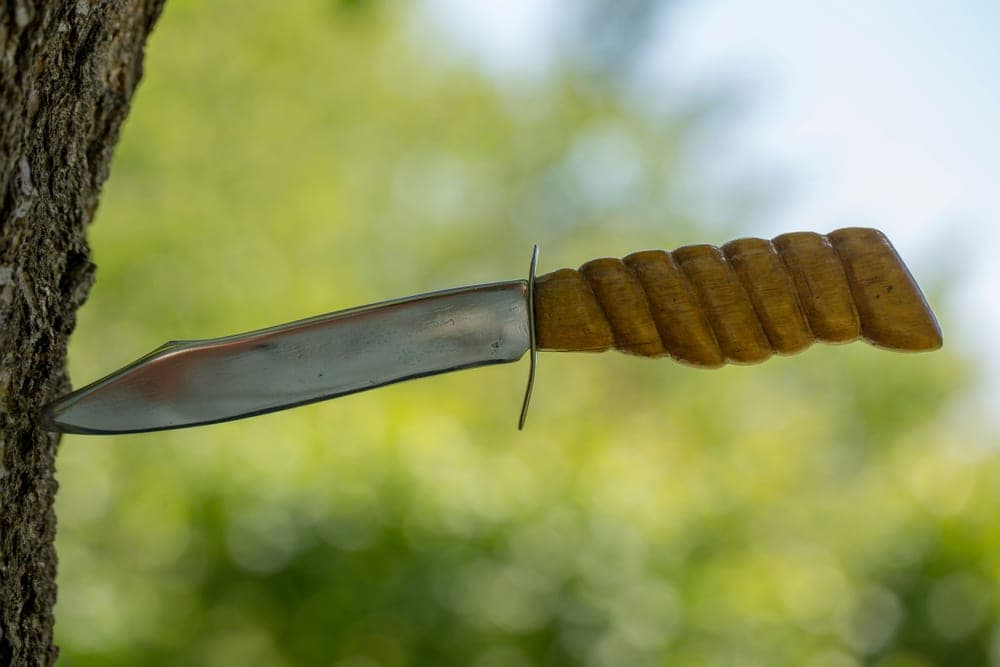 Outdoor Edge RazorMax A fixed-handle knife that takes both a 3.5 in drop-point and a 5 in boning blade, swapped without sharpening. The most complete single knife here for skinning and deboning a hog in the field. | Best hog hunting knifeUnder $500 | 8.5/10Researched | Check price · Amazon #ad · Disclosure |
| 2 | Havalon Piranta-Original A scalpel-sharp folding skinner that takes 2-3/4 in snap-in blades. Excellent for clean skinning of a thick hog hide, but the slim blades can snap if you pry or cut through joints. | Best replaceable-blade skinnerUnder $500 | 7.4/10Researched | Check price · Amazon #ad · Disclosure |
| 3 | Outdoor Edge RazorLite EDC 3.5" A 2.8 oz lock-back folder with push-button 3.5 in replaceable blades. A good pocket backup for skinning when your main knife dulls; it clips in a pocket but has no belt sheath. | Best pocket backup knifeUnder $500 | 7.4/10Researched | Check price · Amazon #ad · Disclosure |
| 4 | 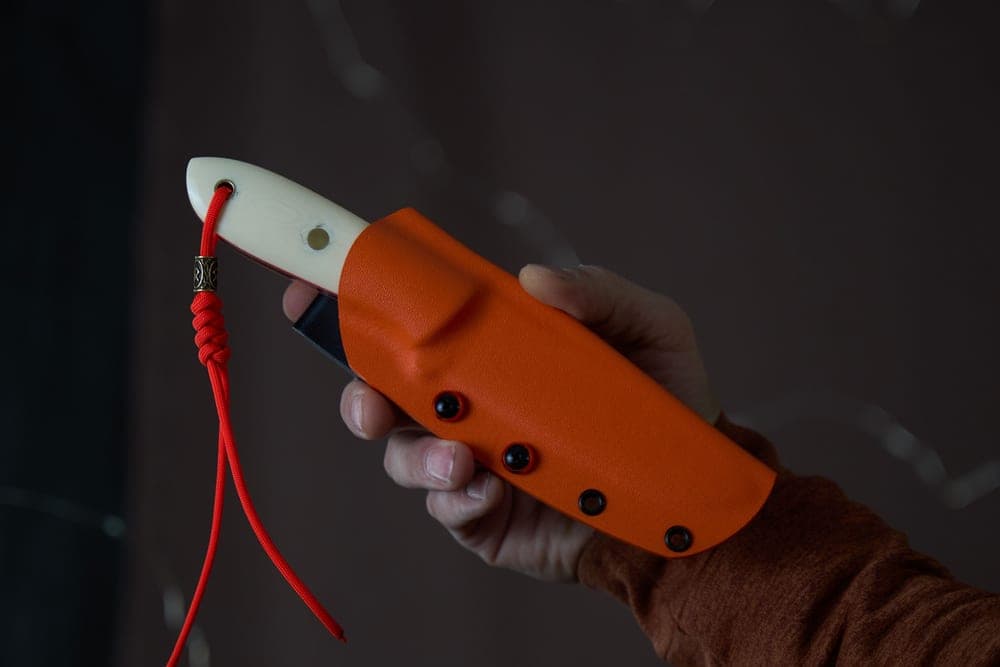 Outdoor Edge WildGuide Field Dressing Kit A caping knife, gut-hook skinner and bone saw in one belt sheath at 11.4 oz. The best belt-carry kit for field dressing a hog where it drops; the fixed blades need sharpening. | Best belt-carry field-dressing kitUnder $500 | 7.3/10Researched | Check price · Amazon #ad · Disclosure |
| 5 | Old Timer 152OT Sharpfinger A classic 3.3 in full-tang clip-point skinner in a leather belt sheath. Small, cheap and easy to control for gutting and skinning; the 7Cr17MoV edge will need sharpening between hogs. | Best budget fixed-blade skinnerUnder $500 | 7.2/10Researched | Check price · Amazon #ad · Disclosure |
| 6 | KNINE OUTDOORS Field Dressing Kit (12-Piece) A 12-piece processing set with a boning knife, gut-hook skinner, saw, rib spreader, game shears and a sharpener in one case. More barn-and-cooler kit than belt kit, and useful for whole-hog butchering. | Best complete processing setUnder $500 | 6.6/10Researched | Check price · Amazon #ad · Disclosure |
| 7 | TOPS Knives Wild Pig Hunter A 7.5 in, 1/4 in thick 1095 carbon blade TOPS built for deep penetration, not skinning. A heavy-duty hog hunter's belt knife that still needs a smaller knife alongside it for field dressing. | Best heavy-duty belt knife for hog huntersUnder $500 | 6.4/10Researched | Check price · Amazon #ad · Disclosure |
#ad · Prices are set by Amazon and change often, so we don't print them. Scores are ours, built from published specs, manuals and warranty terms, not hands-on tests. Photos are illustrative stock. Tap a row for the full write-up.
What a hog knife actually has to do
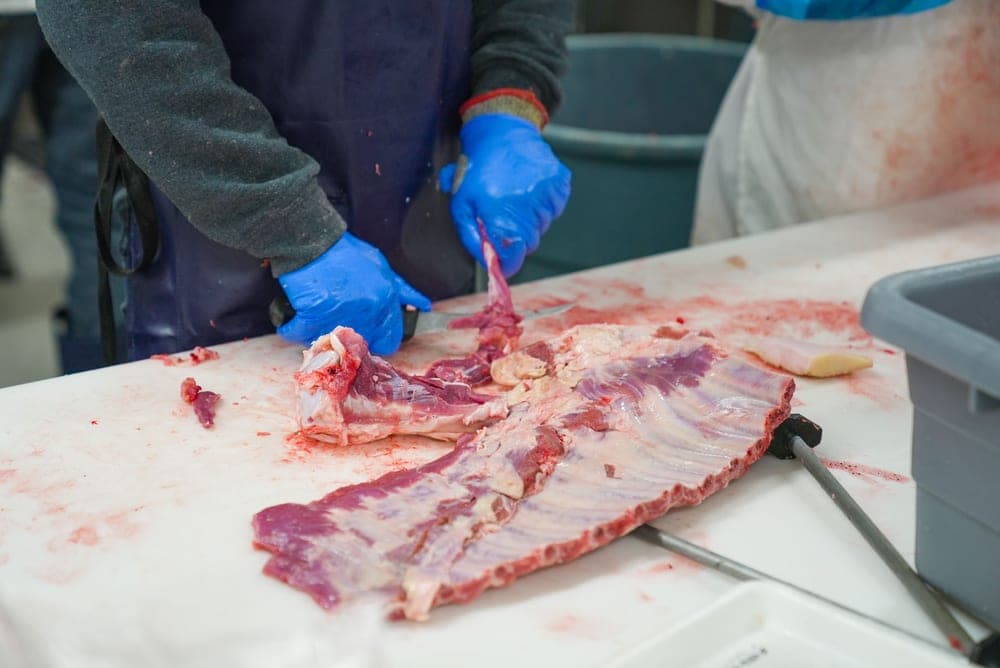
A hog knife is a field-care tool. Once a hog is down, the work is opening the belly without cutting into the gut, skinning a thick hide, working a blade around joints, and getting the meat cool and clean. That rewards a short, controllable blade and a handle that holds when it's wet, not a long one. It's also why the TOPS Wild Pig Hunter, the only knife here named for hogs, ranks last on this list: TOPS built a 7.5 in, 1/4 in thick blade with a strong puncture point, a heavy-duty belt knife that still needs a smaller knife beside it for skinning.
Three blade types cover the whole job:
- A 3 to 4 in drop-point or clip-point for opening and skinning: the RazorMax's 3.5 in drop-point, the Sharpfinger's 3.3 in clip-point, the RazorEDC Lite's 3.5 in blade.
- A gut hook for opening the belly with less risk of cutting into organs: the WildGuide's 4.0 in gut-hook skinner, and one in the KNINE set.
- A boning blade and a saw for quartering and the pelvis: the RazorMax's 5 in boning blade, the WildGuide's 4.9 in bone saw, and the KNINE set's saw, rib spreader and game shears.
The steps themselves are in our guide to field dressing a hog. This page is about what to carry to do them.
Gloves first: the disease risk is real
The Texas Animal Health Commission's swine page gives historical figures: about 10% of feral swine carry swine brucellosis, and about 20% may carry pseudorabies (TAHC, swine). The CDC explains how brucellosis reaches people: you can get it by eating undercooked meat from an infected animal or when you "handle animal skins, tissues, or fluids unsafely," and it lists wild hogs among the hunted animals that can carry it (CDC, Brucellosis and Animals).
Gloves are the cheapest item on any hog-knife list, and the KNINE set is the only pick here that includes a pair. Shoulder-length gloves cover your arms when you reach into the body cavity; short gloves keep dexterity for knife work. If anyone in your group has a latex allergy, buy nitrile instead. Our field-dressing guide covers gloves with the rest of the kit.
How we scored knives and kits
Knives and kits are scored on their own rubric: blade design for hog field care (30%), edge maintenance (25%), grip when wet (20%), sheath and carry (15%) and value (10%). Replaceable blades score high on edge maintenance because a fresh edge takes seconds; fixed blades that need sharpening score lower. A long piercing blade scores low on blade design because it's awkward for skinning. We haven't tested these units; scores come from published specs and the rubric on our How We Choose page.
The knives and kits side by side
| Published spec | Outdoor Edge WildGuide Field Dressing Kit | KNINE OUTDOORS Field Dressing Kit (12-Piece) |
|---|---|---|
| Budget tier | Under $500 | Under $500 |
| Contents | 2.5 in caping knife, 4.0 in gut-hook skinner, 4.9 in wood/bone T-handle saw | 12 in boning knife, 9-1/2 in gut-hook skinner, 8-1/2 in hawkbill knife, 8-1/2 in caping knife, 12 in gut-hook butcher axe, 10-1/2 in skinning cleaver, 8-1/2 in bone saw, rib spreader, 9-1/4 in game shears, cutting board, sharpener, cleaning gloves |
| Blade | Full-tang blades | — |
| Blade steel | — | 5Cr15 |
| Weight | About 11.4 oz total | — |
| Sheath | Kryptek camo nylon belt sheath holds all three tools | Portable carry case |
| Warranty | Lifetime (excludes normal wear, misuse and sharpening) | — |
| Score | 7.3/10 | 6.6/10 |
The picks in context
1. Outdoor Edge RazorMax
The most complete single knife for a hog. One fixed handle takes two replaceable blade shapes, a 3.5 in drop-point for opening and skinning and a 5.0 in boning and fillet blade for working around joints, and Outdoor Edge ships six spares (three of each) in a storage box that rides in the belt sheath. The handle is a polymer core with a non-slip TPR overmold, the whole kit is 4.7 oz with the sheath, and the lifetime warranty excludes normal wear, misuse and sharpening. It leads because it scores at or near the top on every part of the rubric. The limit is the same for any replaceable-blade knife: the thin blades are for cutting, not prying or splitting a pelvis, so carry a saw for bone.
2. Havalon Piranta-Original
A folding skinner with scalpel-style 2-3/4 in blades that snap in, with six extra 60A blades in the box. For clean skinning of a thick hide, few designs cut as easily. It ranks second rather than first because the slim blades can snap if twisted or used to pry, and the bead-blasted stainless handle with a G-10 inlay is less secure than a rubberized grip once your hands are wet. When you restock, note that Havalon rates its 60A blade as 20% thicker and 30% stronger than its 60XT.
3. Outdoor Edge RazorEDC Lite 3.5"
A 2.8 oz lock-back folder with tool-free, push-button 3.5 in replaceable blades (six included), 420J2 stainless and TPR insets for a wet grip. It scores level with the Havalon on edge maintenance and better on grip. Think of it as the backup that lives in a pocket on every hunt, so a dull or broken main blade never ends the job. It carries on a pocket clip with no sheath, and a folding lock-back is less robust than a fixed blade, which is why it isn't our primary pick.
4. Outdoor Edge WildGuide Field Dressing Kit
The best belt kit for dressing a hog where it drops: a 2.5 in caping knife, a 4.0 in gut-hook skinner and a 4.9 in wood and bone saw, all full-tang, in one Kryptek nylon belt sheath at about 11.4 oz total, with Outdoor Edge's lifetime warranty. The gut hook and the saw are what a single knife lacks. The fixed blades need sharpening between hogs, and the product page doesn't name the blade steel.
5. Old Timer 152OT Sharpfinger
The classic small skinner: a 3.3 in full-tang clip-point in 7Cr17MoV, 3 mm thick, about 7.0 in overall and 80 g (about 2.8 oz), in a leather belt sheath. It's short and easy to control, won't fold under pressure, and earns the highest value score of any pick here. The costs: you have to sharpen it, and the smooth polymer handle grips less well wet than the rubberized handles above it.
6. KNINE OUTDOORS Field Dressing Kit (12-Piece)
A barn-and-cooler set rather than a belt kit: a boning knife, gut-hook skinner, hawkbill and caping knives, a gut-hook butcher axe, a skinning cleaver, a bone saw, a rib spreader that opens from 6-7/8 to 12 in, game shears, a cutting board, a sharpener and cleaning gloves, in a carry case. It covers whole-hog processing in one purchase. It ranks sixth because the 5Cr15 steel comes with no published hardness (plan on using the included sharpener often) and the case is too bulky to carry to the hog.
7. TOPS Knives Wild Pig Hunter
Built for the hardest use: a 7.5 in, 1/4 in thick 1095 high-carbon blade at RC 56-58, 14.2 oz, with a green canvas Micarta handle that TOPS treads for grip when wet, muddy or bloody (the best wet-grip score here), and a made-in-USA leather sheath. It ranks last on a field-care list because a long, narrow piercing blade is clumsy for skinning and gutting, and 1095 carbon steel rusts if it isn't cleaned and oiled after each hog. Buy it as a belt knife alongside a skinner, not instead of one.
Not ranked here but in our registry: Havalon's 60XT replacement blades and a Mossy Oak 4-piece kit with no published steel or blade lengths. Both make more sense as small gifts than as a primary knife; see our gifts for hunters under $50 for that shopping list.
Replaceable blades or sharpening?
Three picks take replaceable blades (the RazorMax, the Havalon and the RazorEDC Lite), and each ships with six spares. They score 9 out of 10 on edge maintenance, against 6 to 6.5 for the fixed blades that need sharpening. On a night when you're working through more than one hog, a fresh edge in seconds is the difference. The trade-off is strength: Outdoor Edge's thin blades aren't for prying or splitting bone, and Havalon's can snap if twisted. The practical answer is both: a replaceable-blade knife for skinning and gutting, and a saw for bone.
A few numbers from the published specs, with our arithmetic:
- Weight: the TOPS (14.2 oz) weighs about three times the RazorMax with its sheath (4.7 oz) and about five times the RazorEDC Lite (2.8 oz). The whole three-tool WildGuide kit (about 11.4 oz) weighs less than the TOPS alone.
- Steel: 420J2 stainless (Outdoor Edge), 7Cr17MoV (Old Timer), 5Cr15 (KNINE) and 1095 high carbon (TOPS). The makers don't publish comparable edge-retention figures, so we don't rank the steels against each other; we note only that carbon steel needs drying and oiling to keep rust off.
- Blade length: the skinning blades cluster at 2-3/4 to 3.5 in; the TOPS at 7.5 in is more than twice the RazorMax drop-point.
Field care, from the sources
These steps come from public-health and extension pages, not from us. Follow them whatever knife you carry, and see the field-dressing guide for the cuts.
- Pack for it. Penn State Extension's list for field dressing game includes a sharp knife, a small hatchet, a whetstone or steel, rope or cord, clean cloths or paper towels, resealable plastic bags, a large cooler of ice, disposable plastic gloves and clean drinking water (Penn State Extension, Catherine N. Cutter, updated Sep 14, 2022).
- Gloves and eye protection on first, and keep bare skin off the hog's fluids and organs (CDC).
- Cool the carcass fast. Penn State says "it is important to dissipate the heat from the carcass as soon as possible," and when the air is above 40°F, you can chill it "by inserting resealable plastic bags of ice or snow into the body cavity."
- Keep it clean. Penn State: "Remove all visible dirt, feces, hair, and bloodshot areas. Wipe the inside of the body cavity with a dry cloth or paper towels."
- Clean your tools. South Carolina DNR tells hog hunters to clean all tools and reusable gloves used in field dressing and butchering with a disinfectant such as dilute bleach, and to "Burn or bury disposable gloves and inedible parts of the carcass after butchering" (SCDNR, Feral Hog Safe Handling).
- Wash up with soap and warm water for 20 seconds as soon as you can (CDC).
- Cook it through. SCDNR: "Cook pork to an internal temperature of 160° F using a food thermometer." Freezing, smoking, drying and pickling don't kill brucellosis bacteria (CDC).
- Watch your health. SCDNR: "If you get sick with a flu-like illness, tell your doctor that you hunt wild hogs."
If the hogs came out of a trap, moving them alive is regulated: TPWD says "Transportation and release of live feral hogs is unlawful, unless in compliance with Texas Animal Health Commission (TAHC) regulations" (TPWD Outdoor Annual, nongame and other species). Our guide to what to do with trapped hogs in Texas covers the options. More field gear is on the blinds, rests and field gear hub.
In detail
The picks, in full
Rank 01
Stock photoBest hog hunting knife
Outdoor Edge RazorMax
A fixed-handle knife that takes both a 3.5 in drop-point and a 5 in boning blade, swapped without sharpening. The most complete single knife here for skinning and deboning a hog in the field.
Published specsResearched · not tested by us
How the 8.5 score breaks down
- Blade design for hog field care (30%)
- 8.5
- Edge maintenance (25%)
- 9
- Wet grip (20%)
- 8
- Sheath & carry (15%)
- 8
- Value (10%)
- 8.5
What the specs support
- Two blade shapes: drop-point for hide, 5 in boning blade for working around joints
- Swap in a fresh edge instead of sharpening mid-hog
- Rubberized TPR handle is built for grip in wet, messy conditions
- Sheath carries spare blades on your belt
Where it falls short
- Thin replaceable blades aren't for prying or splitting a pelvis
- Ongoing cost of replacement blades
Skip this if…
…You want one heavy blade for splitting bone and brush work; replaceable blades are for cutting, not chopping or prying.
#ad · Price set by Amazon · How we make money for the link to Outdoor Edge RazorMax
Rank 02
Stock photoBest replaceable-blade skinner
Havalon Piranta-Original
A scalpel-sharp folding skinner that takes 2-3/4 in snap-in blades. Excellent for clean skinning of a thick hog hide, but the slim blades can snap if you pry or cut through joints.
Published specsResearched · not tested by us
How the 7.4 score breaks down
- Blade design for hog field care (30%)
- 7
- Edge maintenance (25%)
- 9
- Wet grip (20%)
- 6
- Sheath & carry (15%)
- 7
- Value (10%)
- 8
What the specs support
- Scalpel-style blades make fast, clean skinning cuts
- Frame lock and a stainless handle with G-10 inlay
- Six spare blades in the box; blades are cheap to restock
Where it falls short
- Thin scalpel-style blades can snap if twisted or used to pry
- Slim handle is less secure than a rubberized grip when hands are wet
Skip this if…
…You'll gut, quarter and split joints with one knife; a sturdier fixed blade like the RazorMax or Sharpfinger suits that work better.
#ad · Price set by Amazon · How we make money for the link to Havalon Piranta-Original
Rank 03
Stock photoBest pocket backup knife
Outdoor Edge RazorLite EDC 3.5"
A 2.8 oz lock-back folder with push-button 3.5 in replaceable blades. A good pocket backup for skinning when your main knife dulls; it clips in a pocket but has no belt sheath.
Published specsResearched · not tested by us
| Blade | 3.5 in replaceable drop-point (350-series), tool-free push-button change |
|---|---|
| Replacement blades | 6 included |
| Blade steel | Japanese 420J2 stainless |
| Overall length | 8.0 in |
| Weight | 2.8 oz |
| Handle | Glass-filled nylon with non-slip TPR insets; lock-back |
| Sheath | Stainless pocket clip (no sheath listed) |
| Listing | 3.5 in RazorLite EDC knife with 6 blades (listing title) |
How the 7.4 score breaks down
- Blade design for hog field care (30%)
- 6.5
- Edge maintenance (25%)
- 9
- Wet grip (20%)
- 7
- Sheath & carry (15%)
- 6
- Value (10%)
- 8.5
What the specs support
- Push-button blade swaps without tools
- Only 2.8 oz, so it rides in a pocket on every hunt
- TPR insets for grip when wet
Where it falls short
- Folding lock-back is less robust than a fixed blade
- Pocket clip only; no belt sheath
Skip this if…
…You want one primary field-dressing knife; the fixed RazorMax with two blade shapes does more.
#ad · Price set by Amazon · How we make money for the link to Outdoor Edge RazorLite EDC 3.5"
Rank 04
Stock photoBest belt-carry field-dressing kit
Outdoor Edge WildGuide Field Dressing Kit
A caping knife, gut-hook skinner and bone saw in one belt sheath at 11.4 oz. The best belt-carry kit for field dressing a hog where it drops; the fixed blades need sharpening.
Published specsResearched · not tested by us
How the 7.3 score breaks down
- Blade design for hog field care (30%)
- 8
- Edge maintenance (25%)
- 6
- Wet grip (20%)
- 6.5
- Sheath & carry (15%)
- 8
- Value (10%)
- 8.5
What the specs support
- Gut hook helps reduce the risk of cutting into organs when opening the belly
- Bone saw handles the pelvis and brisket
- All three tools ride in one belt sheath
Where it falls short
- Fixed blades must be sharpened between hogs
- Maker doesn't name the blade steel on the product page
Skip this if…
…You process at a skinning rack back at the barn; a larger case kit like the KNINE 12-piece covers butchering too.
#ad · Price set by Amazon · How we make money for the link to Outdoor Edge WildGuide Field Dressing Kit
Rank 05
Stock photoBest budget fixed-blade skinner
Old Timer 152OT Sharpfinger
A classic 3.3 in full-tang clip-point skinner in a leather belt sheath. Small, cheap and easy to control for gutting and skinning; the 7Cr17MoV edge will need sharpening between hogs.
Published specsResearched · not tested by us
| Blade | 3.3 in clip-point skinner, full tang (listing title) |
|---|---|
| Blade steel | 7Cr17MoV; 3 mm thick |
| Overall length | 17.8 cm (about 7.0 in) |
| Weight | 80 g (about 2.8 oz) |
| Handle | Polymer |
| Sheath | Leather belt sheath |
| Warranty | Lifetime on materials and manufacturing defects (per retailer) |
How the 7.2 score breaks down
- Blade design for hog field care (30%)
- 7.5
- Edge maintenance (25%)
- 6.5
- Wet grip (20%)
- 6.5
- Sheath & carry (15%)
- 7
- Value (10%)
- 9.5
What the specs support
- Full-tang fixed blade that won't fold or snap under pressure
- Short 3.3 in clip-point skinner is easy to control for skinning and gutting
- Leather belt sheath included
Where it falls short
- Must be sharpened: no replaceable edge
- Smooth polymer handle offers less wet grip than rubberized handles
Skip this if…
…You process several hogs a night and hate sharpening; a replaceable-blade knife like the RazorMax keeps a fresh edge.
#ad · Price set by Amazon · How we make money for the link to Old Timer 152OT Sharpfinger
Rank 06
Stock photoBest complete processing set
KNINE OUTDOORS Field Dressing Kit (12-Piece)
A 12-piece processing set with a boning knife, gut-hook skinner, saw, rib spreader, game shears and a sharpener in one case. More barn-and-cooler kit than belt kit, and useful for whole-hog butchering.
Published specsResearched · not tested by us
How the 6.6 score breaks down
- Blade design for hog field care (30%)
- 7.5
- Edge maintenance (25%)
- 6.5
- Wet grip (20%)
- 6
- Sheath & carry (15%)
- 5
- Value (10%)
- 8
What the specs support
- Covers field dressing through butchering in one case
- Rib spreader and game shears help open and cool a hog quickly
- Sharpener and gloves included
Where it falls short
- 5Cr15 steel with no published hardness; plan on using the included sharpener often
- A case kit, not a belt kit: too bulky to carry to the kill
Skip this if…
…You field dress where the hog drops and pack out; a belt kit like the Outdoor Edge WildGuide is far lighter.
#ad · Price set by Amazon · How we make money for the link to KNINE OUTDOORS Field Dressing Kit (12-Piece)
Rank 07
Stock photoBest heavy-duty belt knife for hog hunters
TOPS Knives Wild Pig Hunter
A 7.5 in, 1/4 in thick 1095 carbon blade TOPS built for deep penetration, not skinning. A heavy-duty hog hunter's belt knife that still needs a smaller knife alongside it for field dressing.
Published specsResearched · not tested by us
How the 6.4 score breaks down
- Blade design for hog field care (30%)
- 5
- Edge maintenance (25%)
- 6
- Wet grip (20%)
- 9
- Sheath & carry (15%)
- 7.5
- Value (10%)
- 5
What the specs support
- 1/4 in thick full-tang blade for the hardest use
- Micarta tread handle designed to hold when wet or muddy
- Made-in-USA leather sheath
Where it falls short
- Long, narrow piercing blade is clumsy for skinning and caping
- 1095 carbon steel rusts if it isn't cleaned and oiled after each hog
Skip this if…
…You want one knife for gutting and skinning; a 3 to 4 in blade like the Old Timer Sharpfinger or RazorMax is far easier to control.
#ad · Price set by Amazon · How we make money for the link to TOPS Knives Wild Pig Hunter
What to look for in a hog hunting knife
- A 3 to 4 in skinning blade. Short enough to control around the hide and gut. Longer blades are for other jobs.
- A plan for the edge. Replaceable blades (and spares on your belt), or a fixed blade plus a sharpener you actually carry.
- A handle that holds wet. Rubberized TPR (the Outdoor Edge knives) or textured Micarta (TOPS) beat smooth polymer or polished metal once your gloves are slick.
- Carry that suits where you work. A belt sheath (RazorMax, WildGuide, Sharpfinger, TOPS) for dressing at the hog; a holster (Havalon) or pocket clip (RazorEDC Lite) for a backup; a case (KNINE) for the barn.
- Stainless or carbon, knowingly. Carbon steel like the TOPS's 1095 needs cleaning and oiling after every hog.
- Warranty terms you can read. Outdoor Edge publishes a lifetime warranty that excludes normal wear, misuse and sharpening; the retailer we cite lists a lifetime materials-and-defects warranty for the Sharpfinger. We didn't find warranty terms on the pages we cite for the Havalon, TOPS or KNINE.
One knife or a kit?
If you dress a hog where it drops and pack it out, a single replaceable-blade knife plus a small saw covers it: the RazorMax alone, or the WildGuide kit if you want a gut hook and saw in one sheath. If you haul hogs to a skinning rack at the barn, a case kit like the KNINE 12-piece adds the rib spreader, shears and cleaver that make whole-hog processing faster. You may want both: a belt knife for the field and a case kit for the cooler. Either way, add gloves; they cost less than any knife here.
What your budget buys
Knives are the one part of the hog kit where the best tool isn't the dearest. When we checked Amazon in September 2026:
- Under $50: the Old Timer Sharpfinger and the Outdoor Edge WildGuide kit. Havalon replacement blades and field-dressing glove packs were also under $50.
- $50 to $150: the Outdoor Edge RazorMax, the Havalon Piranta-Original and the KNINE 12-piece set.
- Over $150: the TOPS Wild Pig Hunter, which ranks last here for field care.
Prices move, so the button on each card shows today's. Shopping for someone else? Our gifts for hog hunters list sorts these and other picks by budget.
Hog knife mistakes
- Prying or splitting bone with a replaceable blade. Use a saw. Thin blades snap.
- Skinning with a long belt knife. A 7.5 in blade is hard to control around a hide.
- Skipping gloves and eye protection. The CDC lists both for anyone handling a carcass.
- Leaving the carcass warm. Open it, cool it and get it on ice as soon as you can.
- Putting a carbon blade away wet. Clean, dry and oil it after each hog.
- Latex gloves for a latex-allergic hunter. Buy nitrile.
- Forgetting the tools after the hog. Disinfect knives, saws and reusable gloves, and dispose of waste as SCDNR describes.
How we scored this
Units we claim to have tested: 0
Plenty of gear sites say they field-tested everything they list. We haven't, and we say so. Every pick here is labeled Researched: we read each maker's published specs, manuals and warranty terms, compare products only against others in the same budget tier, and score them on a public rubric. Every figure links to where it came from, and seller performance numbers are labeled “maker's claim.”
Scores are editorial judgments from that documented research, not test results. Commissions never set a score or decide a pick. The rubric and its weights are published.
What changed
- Published. Specs checked against each maker's or retailer's page; field-care steps checked against CDC, SCDNR and Penn State Extension.
Questions
Frequently asked
What is the best knife for hog hunting?
What size knife do you need to field dress a hog?
Are replaceable-blade knives good for hogs?
Do you need gloves to clean a wild hog?
Is feral hog meat safe to eat?
Do feral hogs carry diseases?
Receipts
Sources
- Outdoor Edge: RazorMax product page and specifications (checked 2026-09-19)
- Havalon: Piranta Original product page (XTI-60AKNP; checked 2026-09-19)
- Havalon: Piranta Blades page, 60XT and 60A comparison (checked 2026-09-19)
- Outdoor Edge: 3.5" RazorEDC Lite product page and specifications (checked 2026-09-19)
- Outdoor Edge: WildGuide field dressing set product page (checked 2026-09-19)
- Knivesandtools: Old Timer Sharpfinger 152OT specifications (checked 2026-09-19)
- KNINE OUTDOORS: Hunting Deer Knife Set Field Dressing Kit, 12 Pieces product page (checked 2026-09-19)
- TOPS Knives: Wild Pig Hunter product page and specifications (checked 2026-09-19)
- CDC: Brucellosis and Animals, page dated June 2, 2026 (checked 2026-09-19)
- South Carolina DNR: Feral Hog, Safe Handling (checked 2026-09-19)
- Penn State Extension: Proper Field Dressing and Handling of Wild Game and Fish, Catherine N. Cutter, updated Sep 14, 2022 (checked 2026-09-19)
- Texas Animal Health Commission: Swine (feral swine disease figures; checked 2026-09-19)
- TPWD Outdoor Annual: Nongame and Other Species, valid Sep 1 2026 to Aug 31 2027 (checked 2026-09-19)
We haven't tested the gear on this page and we don't pretend to. Specs come from each maker's own pages or the product listing (linked on every product), hog biology and trapping advice from Texas A&M AgriLife, and rules from TPWD and Texas statute. Prices are set by Amazon and change often, so we don't print them. Where a figure isn't published, we say so. Read the full method.