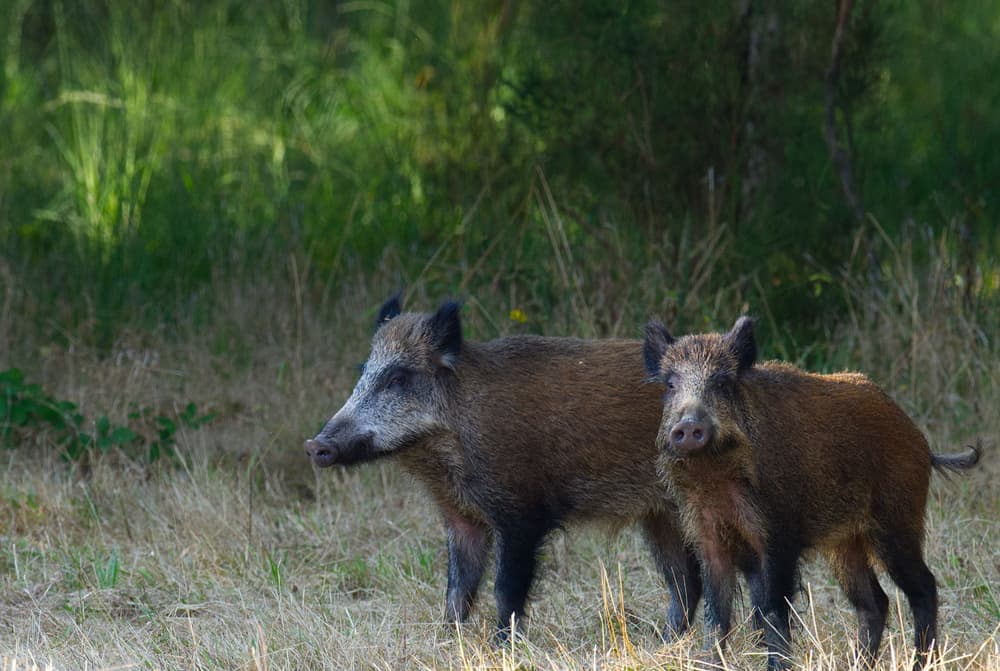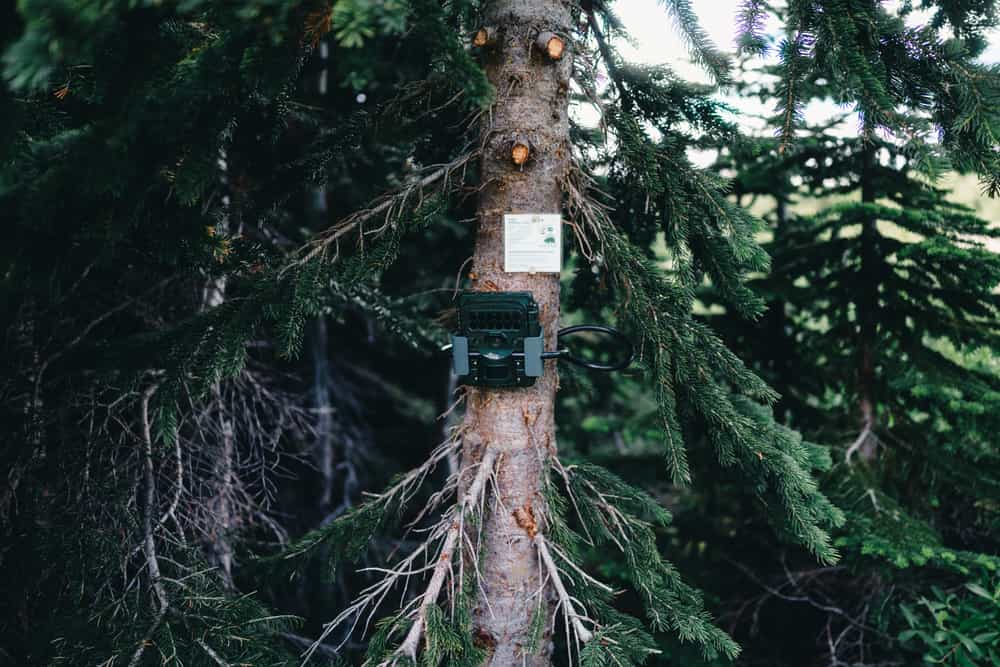
Most trap designs get plenty of attention. The trigger gets less, even though it decides whether you catch the whole sounder or two piglets and an education for the rest. This guide draws on Texas A&M AgriLife's trapping page, AgriLife wildlife specialist Billy Higginbotham's article Selecting a Manual Gate Trigger for Wild Pig Trapping, and Mississippi State University Extension's Wild Pig Info trigger page. Higginbotham writes from his own trapping; we haven't built these, so where we describe how a trigger behaves, it's his account or MSU's, and we say whose.
What a trigger has to do
AgriLife's trapping page lists the common gates as funnels, rooter gates, guillotines and saloon doors. Funnels and rooter gates can keep catching after they first close, because new pigs can still push in. "Saloon and guillotine gates only close after a trigger is set off." With those gates, the trigger is the moment of truth: it has to hold until the adults are in.
Three principles run through these sources:
- Put it at the back. AgriLife's Hog Trap Design page says maximizing the distance between the gate and the trigger is important in any design, and Higginbotham wants "as many pigs as possible inside the trap before the trigger is tripped."
- Bigger sounder, longer run. Higginbotham: as the number of pigs on camera increases, the distance from the gate to the trigger should increase too, which means a bigger trap.
- Nonspecific vs pig-specific. AgriLife's trapping page: "Nonspecific triggers mean that any animal could potentially set them off." Pig-specific triggers "rely on behaviors commonly observed in pigs to be triggered."
Manual trigger ideas, compared
| Trigger | How it trips | Selectivity (per source) |
|---|---|---|
| Trip wire | Hogs push a line strung near the bait at the back | Nonspecific; adjustable by height and tension (Higginbotham, MSU) |
| Rooter stick (root stick) | Rooting at bait moves a stick that holds the door | Pig-specific; sub-adults root less, so it tends to wait for adults (Higginbotham) |
| Bucket trigger | A weighted bait bucket is knocked off its perch | Pig-specific; smaller pigs typically can't knock it off (Higginbotham) |
| Tire trigger | Hogs push or flip a baited tire tied to the trip line | "The most specific toward adult wild pigs" of the manual triggers he has used (Higginbotham) |
| Pressure plate | A pig steps on a pan or plate | Nonspecific; some are adjustable, but he found pigs avoid the solid surface (Higginbotham) |
| Trough trigger | Moving a baited trough trips the gate | "The least discriminant"; small pigs often trip it first (Higginbotham) |
| No trigger (push-in) | Panels spring back after pigs push through a narrow throat | No gate at all; he had trouble getting large adults to push in (Higginbotham) |
Trip wire
The workhorse. AgriLife's design page describes the classic version: a wire runs from the door prop through baling-wire eyes on a line of T-posts to the back of the trap, where it crosses a bait-filled hole at ground level. As hogs root in the hole, the wire stretches and pulls the prop. Higginbotham's refinements:
- Run the line above hog height from the gate along the T-posts, then angle it down and run it about 12 in high, parallel to the ground, for 5 to 10 ft before tying it to the back of the trap.
- Use a leader of braided saltwater fishing line (at least 60 lb test) where the hogs meet it. It doesn't stretch, and its small diameter and dark color are hard for pigs to detect. He recorded a boar crossing a heavy trip wire eight times in 20 minutes before he finally tripped it.
- Raise the wire if the camera shows sows with small pigs, so the young ones are less likely to trip it early.
MSU's trigger page gives a height too: suspend the wire across the rear of the trap 16 to 20 in above the ground to cut down on raccoons and opossums springing it early, which also reduces the chance of younger, smaller pigs doing it. MSU adds that tension sets the sensitivity, and that a trip wire works best with a multi-catch door. AgriLife's corral trap publication notes some builders use picture-framing wire, strong enough to spring the trap but able to break if a hog gets tangled.
Rooter stick
Higginbotham's version: fill a post hole with bait and lay the rooter stick over the top. Rooting to reach the bait moves the stick and triggers the gate. Because sub-adults don't root nearly as much as adults, it tends to hold until adults are inside and the other bait is gone. MSU describes the same idea with the stick wedged behind set stakes driven into the ground; it is gravity-driven, best suited to a sliding drop door, and takes more effort to spring than a trip wire. MSU's caution: if pigs avoid it, or the soil is too loose or too hard for the stakes, switch to a trip wire.
Bucket trigger
A bucket holds both bait and weight (Higginbotham suggests a couple of bricks or scrap iron), with holes near the bottom so bait dribbles out, perched on a cinder block or similar stand and tied to the trip line. Smaller pigs typically can't knock it off; raising the perch makes it more adult-specific. Put it in place, with some bait in it, during pre-baiting so the pigs get used to it. A lid helps keep soured bait moist and discourages nontarget animals.
Tire trigger
Higginbotham calls it "absolutely the most specific toward adult wild pigs" of the manual triggers he has used. A small car tire (he prefers around the 13 in size) sits at the bait site through pre-baiting, with more and more bait placed under and inside it to encourage rooting. On the night the trap is set, the heaviest bait is at the tire, the smaller pigs tend to feed along the walls, and the gate trips only when an adult pushes or flips the tire, usually after the rest of the bait is gone. He says it works on a single-door trap and suits a two-door trap best.
Pressure plate, trough and no-trigger designs
Higginbotham stopped using pressure plates: some can be adjusted so small pigs don't trip them, but he found pigs don't like stepping on their solid surfaces. Trough triggers work but are often tripped by the smaller pigs that tend to enter first, leaving adults outside. Push-in designs (the Wexford and figure-6 or figure-9 traps) skip the trigger entirely; AgriLife's L-5524 says they probably don't catch trap-shy hogs well.
Remote and cellular triggers
AgriLife's trapping page puts the case plainly: "An alternate option to a physical trigger is a remote activated trigger based on a camera. This option is typically more costly and does require cell service, but can allow managers to see exactly how many pigs are present before closing the gate which can be helpful in catching complete sounders or groups." Higginbotham's article notes at least five companies offering remote triggers by phone, text or email ("Talk about selective!"), and says their cost may be the prohibitive factor for many landowners.
The idea is simple: no animal trips anything. A camera shows you the trap, you wait until the last adult is in, and you send the command. On Amazon, that comes in three forms:
- Camera and release in one. The Wildlife Dominion HogEye Mini streams live video and drops the gate from its app; the maker's box list includes a latch, a latch adapter and a 30 ft gate cable, with a solar charging system and lithium battery. It needs a monthly data plan (no contract, per the maker).
- A phone-call trigger. The Hunt Supply Cellular Hog Trap Trigger, built by J4 Welding, drops a gate on a phone call and ships with a 12 V battery, a solar panel and a year of cell service. It has no camera, so you pair it with one.
- A wire-it-yourself relay. The KT-G3-A is a generic 4G GSM relay that switches when you call it (its listing says it reads caller ID and rejects the call, so no minutes are used) or text it, and it texts back to confirm. You supply the 12 V latch or solenoid, battery, solar charger, SIM and wiring, plus a camera.
For camera-only options that pair with the last two, see our hog trap camera rankings.
What to check before you buy a remote trigger
- Signal at the trap, on the right carrier. AgriLife says remote triggers need cell service. The HogEye listing on Amazon is the AT&T version (the maker also sells Verizon and Starlink versions). The KT-G3-A's listing names AT&T and T-Mobile only. The Hunt Supply trigger's carrier isn't published on its listing or the maker's page, so ask before you buy.
- Gate fit. The Hunt Supply trigger is listed for guillotine-style drop gates that ride on a rail. The HogEye's latch and adapter are made to fit an existing gate. The relay only switches power; the latch is your build.
- A way to see the trap. Only the HogEye includes a camera. The other two need one, and the whole point is knowing when to call.
- Power for the whole campaign. Pre-baiting can take weeks, so the trigger sits armed for a long time. The KT-G3-A's listing gives a standby draw of 60 mA at 12 V. Worked out: 0.06 A x 24 h = 1.44 Ah a day (about 17 Wh), or about 43 Ah over 30 days, before the latch draws anything. The listing doesn't publish the latch's draw, so size the battery and solar with room to spare.
- Service after year one. The HogEye needs a paid data plan from day one. The Hunt Supply trigger includes 12 months, with renewal arranged through the maker (the renewal cost isn't published). The relay runs on a prepaid SIM you set up.
Our picks for this job
Three ways to drop the gate yourself
A ready-made phone-call trigger, a budget relay you wire yourself, and a camera that watches and drops the gate in one. Check the carrier at your trap site before buying any of them.
- Stock photo
Best ready-to-run cellular trigger
The Hunt Supply Cellular Hog Trap Trigger
$1,000 to $2,0006.6/10ResearchedThe closest thing to a plug-in trigger kit: battery, solar panel and 12 months of service in the box. Needs a rail-type drop gate and a separate camera.
Check price · Amazon#ad · Price set by Amazon · How we make money for the link to The Hunt Supply Cellular Hog Trap Trigger
- Stock photo
Best budget DIY cellular trigger
KT-G3-A 4G GSM Auto Relay Switch
Under $5004.4/10ResearchedCall or text it and it switches a 12 V latch, then texts back to confirm. The cheapest route, but the latch, power and SIM are all yours to supply.
Check price · Amazon#ad · Price set by Amazon · How we make money for the link to KT-G3-A 4G GSM Auto Relay Switch
- Stock photo
Best all-in-one trap camera and gate release
Wildlife Dominion HogEye Mini Trap Camera (AT&T)
$1,000 to $2,0008.2/10ResearchedWatch live and drop the gate from the same app; latch, adapter and 30 ft gate cable included. The only one of the three with a camera, and it needs a monthly data plan.
Check price · Amazon#ad · Price set by Amazon · How we make money for the link to Wildlife Dominion HogEye Mini Trap Camera (AT&T)
Match the trigger to the situation
| What the camera shows | Trigger idea | Source |
|---|---|---|
| A sounder with sows and small pigs | Rooter stick, bucket or tire trigger, or a raised trip wire | Higginbotham; MSU |
| A single boar | A "short trigger": no need to bait him all the way to the back | Higginbotham |
| Raccoons or opossums on the bait | Trip wire 16 to 20 in high across the rear; a lidded bucket | MSU; Higginbotham |
| Hogs stepping over the wire | A thin, dark braided-line leader instead of heavy wire | Higginbotham |
| Soil too loose or too hard for stakes | Trip wire instead of a root stick | MSU |
| A large sounder you want whole, with cell signal | Camera plus remote trigger | AgriLife trapping page |
| No cell signal at the site | A manual trigger; remote triggers need service | AgriLife trapping page |
If you're still choosing the gate itself, our guillotine vs saloon door comparison covers how each one pairs with a trigger, and our hog trap build guide shows where the trigger line runs.
Setting any trigger
- Let them get used to it. Higginbotham puts bucket and tire triggers out during pre-baiting so the pigs accept them before the gate is ever set.
- Bait heaviest at the trigger. AgriLife's trapping page: all available bait inside the trap, a trail leading to the rear, and larger quantities near the trigger.
- Keep bait off the trip wire. Bait along the wire can trip the gate before all the hogs are in (AgriLife design page).
- Watch before you set. Higginbotham: "I simply would not attempt to trap pigs without a camera!" The camera tells you the sounder size and when they are all entering.
- Check the trap every day. AgriLife says within 24 hours and before the day heats up.
How we scored this
Units we claim to have tested: 0
Plenty of gear sites say they field-tested everything they list. We haven't, and we say so. Every pick here is labeled Researched: we read each maker's published specs, manuals and warranty terms, compare products only against others in the same budget tier, and score them on a public rubric. Every figure links to where it came from, and seller performance numbers are labeled “maker's claim.”
Scores are editorial judgments from that documented research, not test results. Commissions never set a score or decide a pick. The rubric and its weights are published.
Questions
Frequently asked
What is the best trigger for a hog trap?
How does a root stick trigger work?
How high should a hog trap trip wire be?
Can you trigger a hog trap with your phone?
What is in a hog trap trigger kit?
Where should the trigger be in a hog trap?
Receipts
Sources
- Texas A&M AgriLife, Coping with Feral Hogs: Trapping (checked 2026-09-19)
- Texas A&M AgriLife, Selecting a Manual Gate Trigger for Wild Pig Trapping, Higginbotham (PDF, checked 2026-09-19)
- Texas A&M AgriLife, Hog Trap Design, Higginbotham and Neuendorff (checked 2026-09-19)
- Texas A&M AgriLife Extension, L-5524 Corral Traps for Feral Hogs, 2011 (PDF, checked 2026-09-19)
- Mississippi State University Extension, Wild Pig Info: Trigger Mechanisms (checked 2026-09-19)
- J4 Welding, Boar Door Cell-Activated Trigger product page (checked 2026-09-19)
- Wildlife Dominion, HogEye Mini Camera System product page (checked 2026-09-19)
- HogEye Cameras (Wildlife Dominion) home page (checked 2026-09-19)
- Amazon listing (via search results for "hog trap gate"), checked 2026-09-19
We haven't tested the gear on this page and we don't pretend to. Specs come from each maker's own pages or the product listing (linked on every product), hog biology and trapping advice from Texas A&M AgriLife, and rules from TPWD and Texas statute. Prices are set by Amazon and change often, so we don't print them. Where a figure isn't published, we say so. Read the full method.