Trapping is how you take out a group of hogs at once, and it rewards patience more than gear. The method below is drawn from three Texas A&M AgriLife sources: the Coping with Feral Hogs trapping page, the Hog Trap Design page by Billy Higginbotham and Don Neuendorff, and the extension publication Placing and Baiting Feral Hog Traps. Where they give a number (a trap size, a number of days), we quote it. Where they don't, we say so rather than guess. If you want the whole control plan (trapping, shooting and fencing together), start with our guide to getting rid of feral hogs; this page is the trapping step in detail.
Why you trap the whole sounder
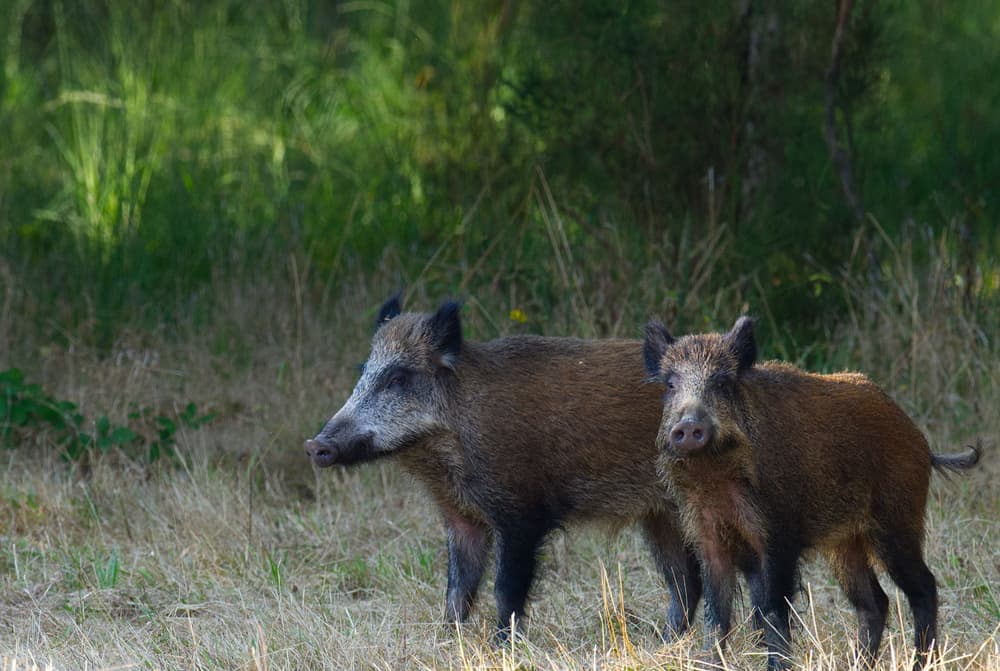
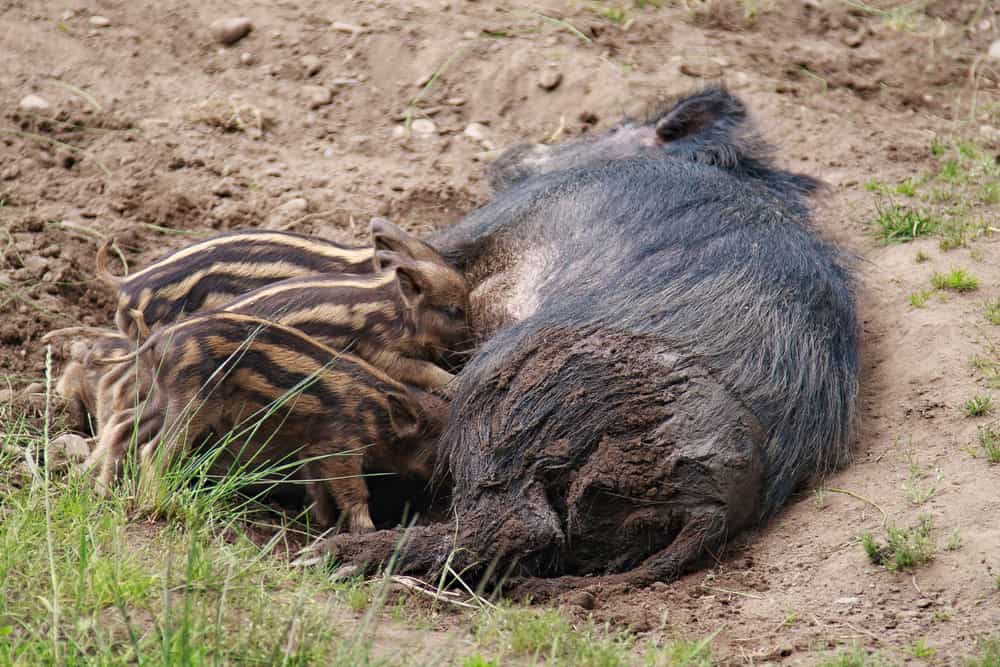
AgriLife's corral-trap publication puts it simply: feral hogs "typically travel in family groups called sounders, and a large corral trap can capture an entire group" ( L-5524, Corral Traps for Feral Hogs). Catching part of that group has a cost. The same publication warns that large sounders are seldom caught in small traps, and "the hogs that escape or are not captured may become wary of them in the future."
The other reason is arithmetic. Texas A&M's Natural Resources Institute (Nov. 2019) reports that "a sow can average 1.5 litters a year and each litter typically produces five to six piglets," and that Texas would need to eliminate about 66% of its wild pig population every year just to stop the numbers growing. Taking one or two hogs a week from a sounder that keeps breeding rarely gets ahead of that. Our explainer on how fast feral hogs reproduce walks through the numbers.
Pick a trap style first
AgriLife describes four styles on its trapping page. The one you choose sets the size of the job.
| Trap style | What AgriLife says | Best fit |
|---|---|---|
| Corral trap | "A very successful trap style" because its large size can capture entire sounders at once | A known sounder on your land; the default for whole-group removal |
| Box trap | Popular for mobility, but smaller, so "able to catch fewer pigs" | A lone boar or a small group; moving between sites |
| Drop trap | A large circular fence suspended in the air and dropped around a group; bait goes in the center, not the perimeter | Large groups; bait goes in the center |
| Net trap | A newer style: a circular net perimeter large enough for a typical sounder, useful where vehicle access makes heavy equipment hard to bring in | Sites you can't reach with a trailer of steel panels |
If you're weighing corral against box, we compare the two in corral trap vs box trap. If you plan to build a corral yourself, our step-by-step hog trap build covers panels, posts and gates. Everything else about the trap hub, from cameras to bait, lives on the hog traps hub.
What you need before you start
Whatever the trap style, the same four pieces do the work:
- A trap big enough for the group. AgriLife's design page calls a 20 by 30 ft teardrop "probably" the minimum and says to go larger for a large group.
- A gate and a trigger you can trust. Saloon and guillotine gates close only after a trigger is set off (AgriLife trapping page). The trigger can be a wire the hogs root against, or a remote release you control.
- A camera. AgriLife's design page says a remote camera tells you how many hogs are in the sounder, which sets the trap size, and then tells you when they are entering the trap regularly.
- Bait you can put out every day. Daily availability is what turns the trap site into part of the hogs' travel pattern (AgriLife trapping page).
On Amazon, the pieces that fit that list are narrow: there are no purpose-built corral panels or hog box traps, so the honest picks are one complete trap system, one camera that also drops a gate, and one bait. Our full ranking of what Amazon sells is on the best hog trap systems page, and the camera options are on our trap camera rankings.
Our picks for this job
A trap, a camera that drops the gate, and a pre-bait
One pick for each job in the list above, chosen from the products Amazon actually sells. The net trap and the camera are made to work together; the bait is for the daily pre-baiting that everything else depends on.
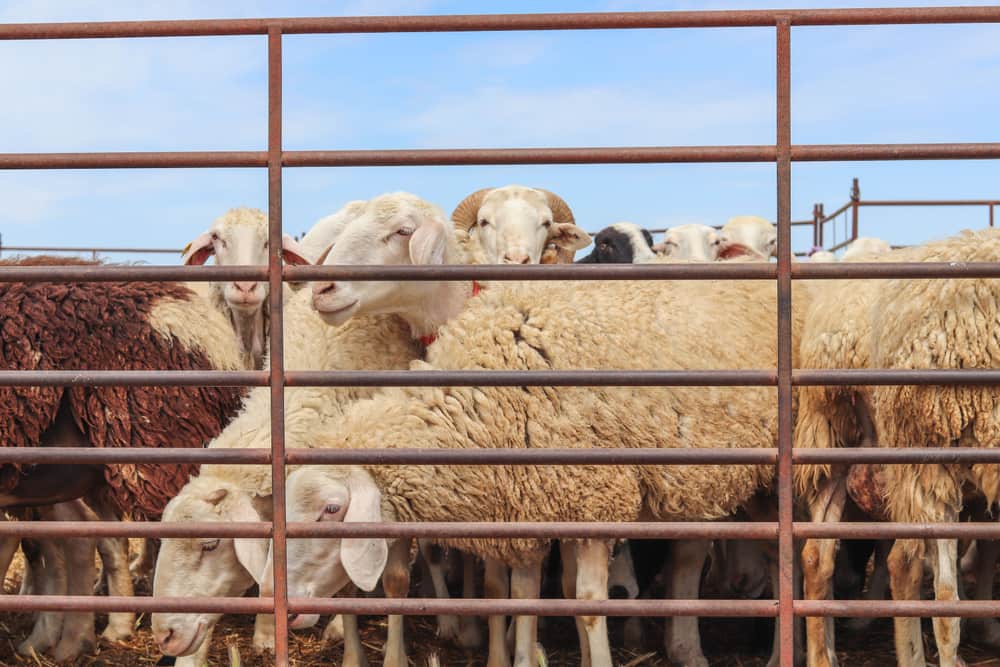 Stock photo
Best whole-sounder trap system on Amazon
Boar Blanket Feral Pig Net Trap
$2,000 and up6.2/10ResearchedA round net at least 20 ft across on 8 T-posts: corral-style capacity with no steel panels to haul. The remote drop needs the HogEye camera sold separately.
Check price · Amazon#ad · Price set by Amazon · How we make money for the link to Boar Blanket Feral Pig Net Trap
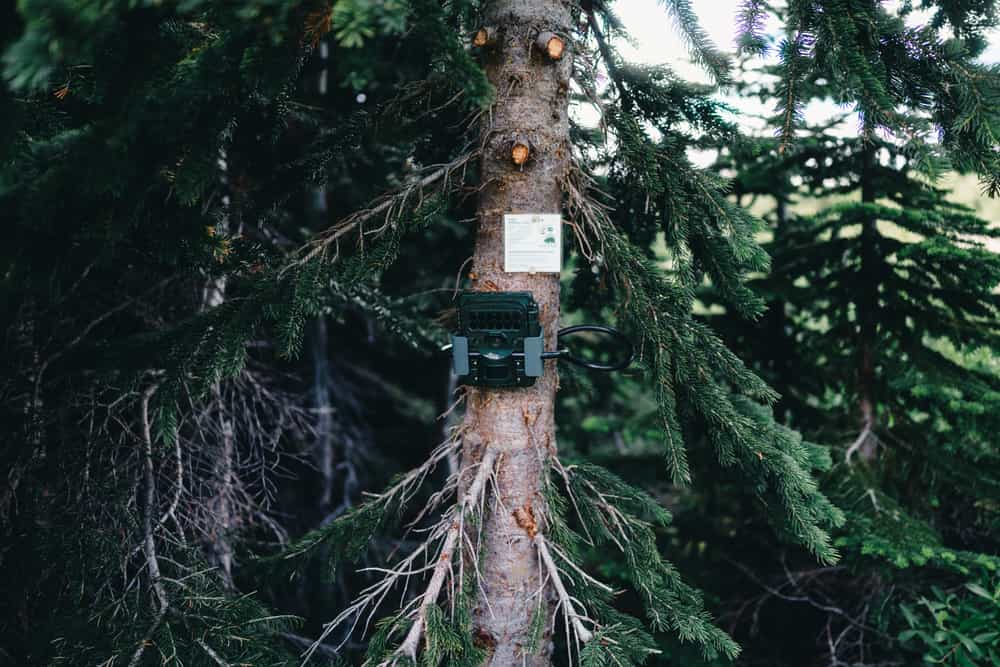 Stock photo
Best all-in-one trap camera and gate release
Wildlife Dominion HogEye Mini Trap Camera (AT&T)
$1,000 to $2,0008.2/10ResearchedLive video plus a gate latch, latch adapter and 30 ft gate cable, so you watch the sounder walk in and drop the gate from the app. A monthly data plan is required.
Check price · Amazon#ad · Price set by Amazon · How we make money for the link to Wildlife Dominion HogEye Mini Trap Camera (AT&T)
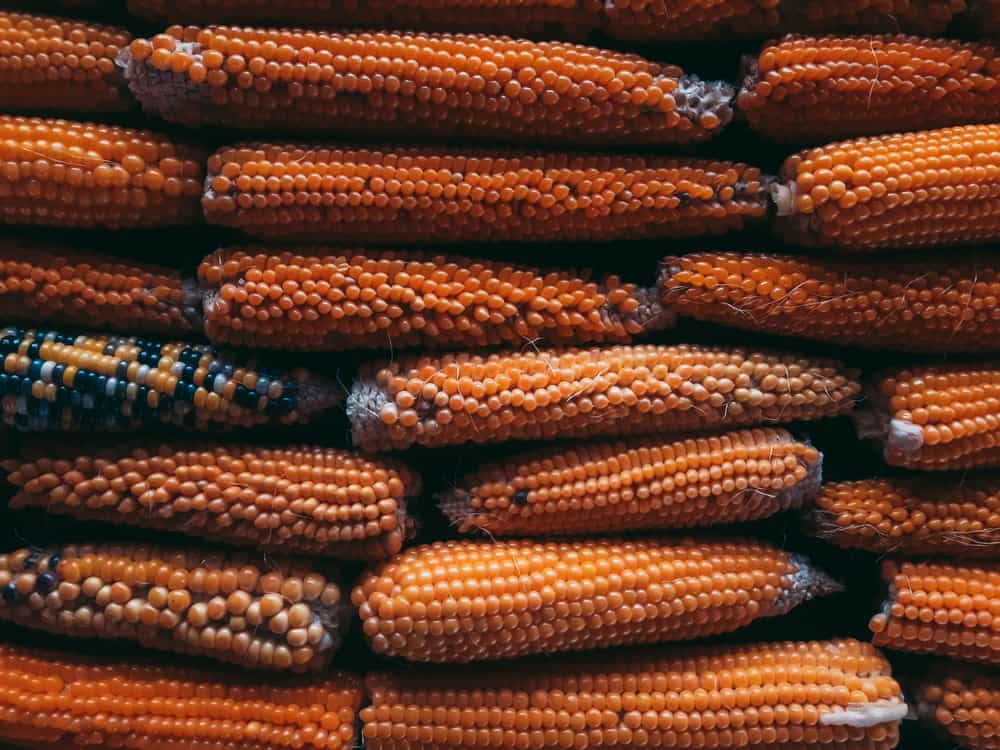 Stock photo
Best granular bait for pre-baiting a trap
Wildgame Innovations Hog Heaven 5 lb
Under $5007.4/10ResearchedA ready-to-use granular feed the maker pitches for attracting, patterning and trapping hogs: easy to keep out every day during pre-baiting.
Check price · Amazon#ad · Price set by Amazon · How we make money for the link to Wildgame Innovations Hog Heaven 5 lb
How to trap feral hogs in 9 steps
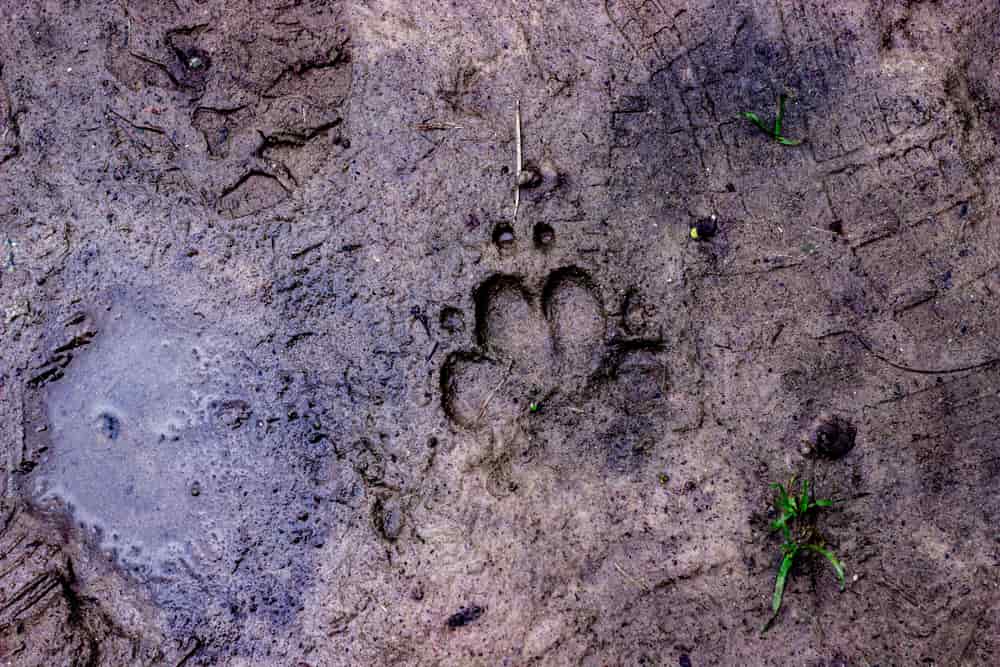
- Find fresh sign. AgriLife's trapping page lists the signs to look for: scat, tracks, rooting damage and wallows. The placing and baiting publication adds trails, and rubs (mud rubbed on trees, posts and utility poles). Hogs also crawl under fences and leave mud or hair on the wires as they pass.
- Put the trap on a trail, not in the rooted spot. This one surprises people. The placing and baiting publication says not to set a trap where hogs are actively rooting, because the bait then competes with a food source the hogs already use. Instead, place traps "on or along hog trails linking resources such as food, cover, and water." Fence lines, creeks and roads that funnel travel are good starting points, and so are year-round spots like watering holes and wallows. If you can, set the trap upwind of daytime bedding areas so the wind carries the bait scent.
- Plan for the truck. If the hogs will go to a processor, AgriLife's corral-trap publication says to choose a site a truck and trailer can reach in all weather. It also notes that corral traps are often in floodplains, so place the trap where rising water will do the least damage.
- Get them on bait before the trap goes up. AgriLife's trapping page says bait and game cameras can confirm a site is regularly visited before you build anything, and that bait should be available every single day. Limiting the quantity keeps costs down and, per the same page, "will also encourage hogs to return daily to use the resource before it runs out." As AgriLife's Billy Higginbotham puts it in his trigger article, "You simply cannot trap what you cannot bait."
- Count them on camera and size the trap. The design page recommends a camera at the bait site to learn how many hogs are in the sounder, and to size the trap to catch as many of them as possible. Its rule of thumb is that bigger is better: the larger the trap, the farther hogs can move away from you and the less likely they are to panic and force through, over or under the sides.
- Build or set the trap with the gate locked open. Use a teardrop shape with the gate at the narrow end and no hard corners, where hogs pile up and may go over the top (design page). Leave no gaps along the bottom. The full build is in our hog trap building guide.
- Pre-bait inside the trap until the whole sounder walks in. The design page says to start feeding outside and through the gate opening, then "pre-bait at least for a week after hogs have been entering the trap." It warns this phase can take several weeks. The corral publication's version is to keep pre-baiting until hogs are consistently entering and to wait until an entire sounder appears to be using the trap. Your camera is the only way to know.
- Set the trigger and bait it last. When you are ready, AgriLife's trapping page says all available bait should be inside the trap, a bait trail should lead to the rear, and larger quantities should sit near the trigger. Do not scatter bait along the trip wire, or the hogs may close the gate before all of them are inside (placing and baiting publication). If you use a remote trigger instead, AgriLife notes it is typically more costly and needs cell service, but lets you "see exactly how many pigs are present before closing the gate." Our hog trap trigger guide compares the options.
- Check the trap every morning, then post-bait. Once you are actively trapping, AgriLife says traps "absolutely need to be checked within 24 hours and before the day heats up," ideally first thing in the morning, in person or with a camera that reports to your phone. After the catch is dealt with, keep baiting for a short period: it shows whether the whole sounder was caught and whether other sounders are using the area.
What to bait with
AgriLife lists "deer corn, soured corn, manufactured baits, or ripening crops found on the landscape such as peaches or peanuts" (trapping page). The placing and baiting publication adds whole corn, livestock cubes, carrion, sour grain and commercial hog attractant scents. Two practical notes from that publication:
- Sour the corn to cut down on deer. Plain corn can bring in nontarget animals such as deer. Soaking it in water for a week sours it, and the strong odor deters other animals.
- Expect a slow season when natural food is heavy. Trapping may be less successful when acorns or other natural foods are abundant, and hog preferences change through the year, so vary the bait.
For the souring method step by step, see our guide to sour corn for hogs. For bagged and bottled options, our hog trap bait rankings sort attractants by how they fit a pre-baiting routine.
Mistakes that educate a sounder
- Setting the gate too early. Every AgriLife source here says to wait until the hogs are entering regularly. A gate that drops on half the group teaches the other half.
- A trap too small for the group. Bigger is better, per the design page, and small traps seldom catch large sounders, per the corral publication.
- Square corners. Hogs pile into hard corners and may go over the top (design page).
- Bait on the trip wire. It trips the gate before the sounder is in (placing and baiting publication).
- Trigger too close to the gate. The design page says maximizing the distance between the gate and the trigger is important in any design.
- Human scent and foot traffic. Avoid leaving scent around the trap and check it from a distance when you can (placing and baiting publication).
- Skipping the morning check. Within 24 hours and before the heat, every time (trapping page).
The law and the catch
Trapping feral hogs on private property is legal in Texas: TPWD lists it under what it is legal to do on its means and methods page (Outdoor Annual, valid Sep. 1, 2026 through Aug. 31, 2027). What you do with live hogs afterward is regulated. Moving and releasing them is unlawful unless it follows Texas Animal Health Commission rules, which allow only a few destinations. Read what to do with trapped hogs in Texas before your first catch, not after.
How we scored this
Units we claim to have tested: 0
Plenty of gear sites say they field-tested everything they list. We haven't, and we say so. Every pick here is labeled Researched: we read each maker's published specs, manuals and warranty terms, compare products only against others in the same budget tier, and score them on a public rubric. Every figure links to where it came from, and seller performance numbers are labeled “maker's claim.”
Scores are editorial judgments from that documented research, not test results. Commissions never set a score or decide a pick. The rubric and its weights are published.
Questions
Frequently asked
How do you catch wild hogs in a pen?
How long does it take to trap a sounder of hogs?
What is the best bait for a hog trap?
When should you check a hog trap?
Do you need a license to trap hogs in Texas?
Can you move trapped hogs to another property?
Receipts
Sources
- Texas A&M AgriLife, Coping with Feral Hogs: Trapping (checked 2026-09-19)
- Texas A&M AgriLife, Hog Trap Design, Higginbotham and Neuendorff (checked 2026-09-19)
- Texas A&M AgriLife Extension, Placing and Baiting Feral Hog Traps, IRNR-PU-060, Feb. 2011 (checked 2026-09-19)
- Texas A&M AgriLife Extension, L-5524 Corral Traps for Feral Hogs, 2011 (PDF, checked 2026-09-19)
- Texas A&M AgriLife, Selecting a Manual Gate Trigger for Wild Pig Trapping, Higginbotham (PDF, checked 2026-09-19)
- Texas A&M Natural Resources Institute, Startling statistics everyone needs to know about wild pigs, Nov. 2, 2019 (checked 2026-09-19)
- TPWD Outdoor Annual, Means and Methods, valid Sep. 1, 2026 to Aug. 31, 2027 (checked 2026-09-19)
- TPWD Outdoor Annual, Nongame and Other Species (Feral Hogs and Coyotes), valid Sep. 1, 2026 to Aug. 31, 2027 (checked 2026-09-19)
- Texas A&M Natural Resources Institute, An update on feral pig laws and regulations in Texas, Apr. 1, 2026 (checked 2026-09-19)
- Boar Blanket, product specs page (checked 2026-09-19)
- Wildlife Dominion, HogEye Mini Camera System product page (checked 2026-09-19)
- Wildgame Innovations, Hog Heaven product page (checked 2026-09-19)
We haven't tested the gear on this page and we don't pretend to. Specs come from each maker's own pages or the product listing (linked on every product), hog biology and trapping advice from Texas A&M AgriLife, and rules from TPWD and Texas statute. Prices are set by Amazon and change often, so we don't print them. Where a figure isn't published, we say so. Read the full method.