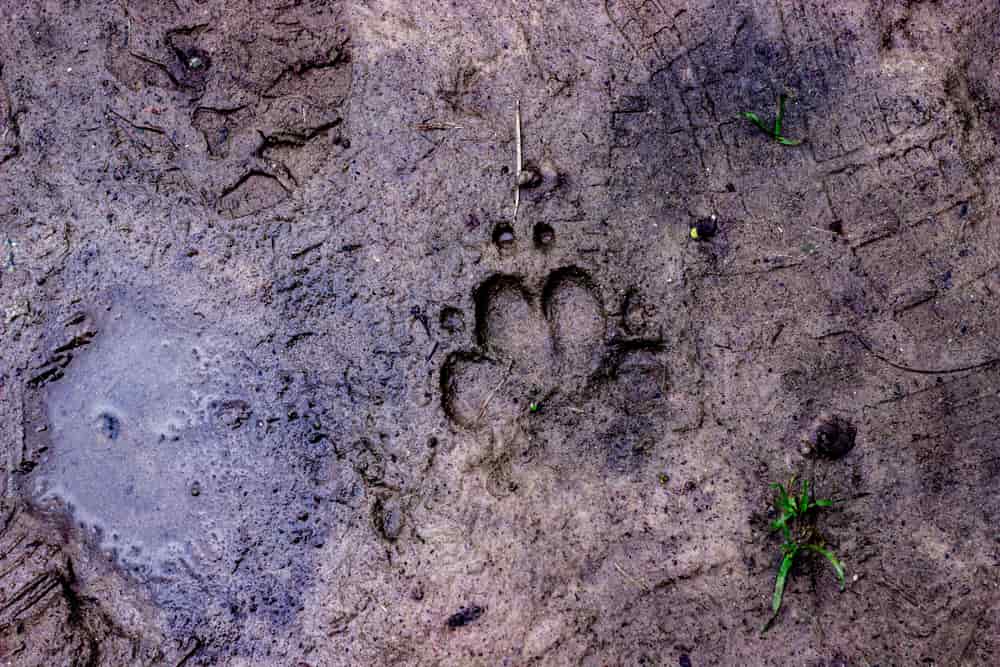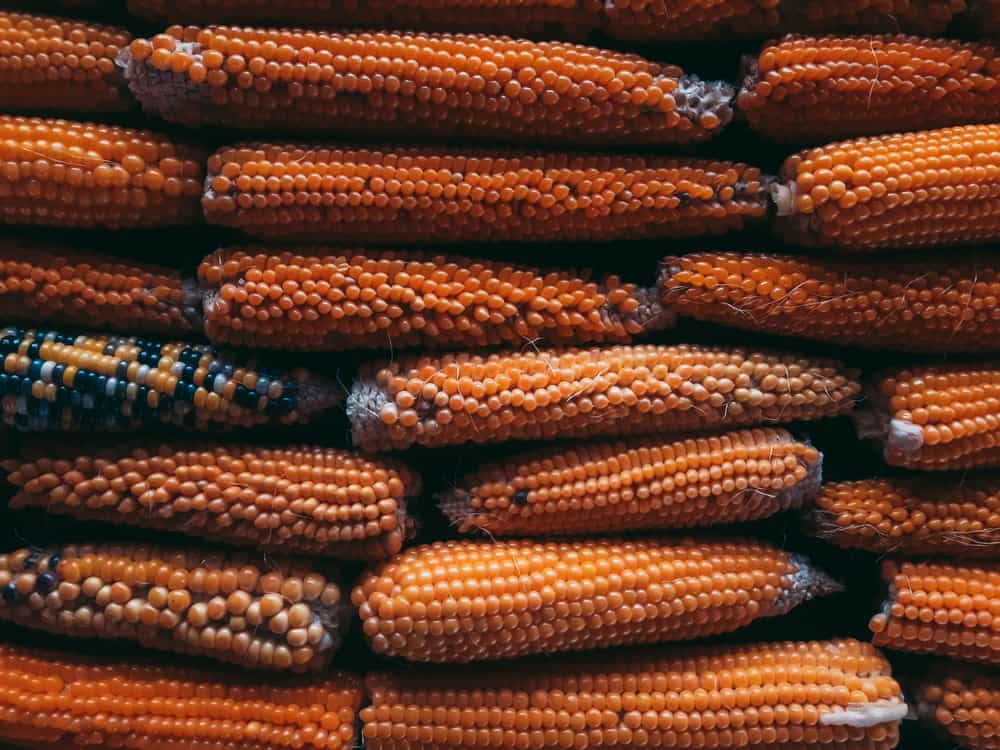
Sour corn is old-school trap bait, and the extension services still list it. It's cheap, it uses the corn you already buy, and it can cut down how much of your bait goes to deer, birds and other animals. This guide covers the method Texas A&M AgriLife Extension publishes, how to use the result in a trap, and the limits and safety rules that come with it. It's the do-it-yourself side of hog bait; for store-bought options, see our ranked hog trap bait picks.
What sour corn is, and why trappers use it
Sour corn is whole shelled corn that has been soaked in water until it ferments. It shows up on every extension bait list we checked. AgriLife's trapping page says "commonly used baits include deer corn, soured corn, manufactured baits, or ripening crops" ( Coping with Feral Hogs, Trapping), and its Placing and Baiting Feral Hog Traps publication lists "whole corn, livestock cubes, carrion, sour grain, and commercial hog attractant scents" (AgriLife IRNR-PU-060). USDA APHIS says "dry or fermented whole-kernel corn is used most commonly" to trap feral swine (USDA APHIS, 2020).
The reason to sour it is the other animals. AgriLife's publication on reducing non-target interference while trapping wild pigs notes that plain corn is a good bait, but many other species eat it too, and that of 11 baits assessed in one study, "no one additive or flavoring was 100% effective at preventing consumption by non-target species." Its conclusion: "fermenting or 'souring' corn or grain to make it less palatable is an easy first step to reduce non-target interference" (AgriLife Extension WF-030, 2015). Deer and raccoons eating the bait is more than wasted corn: they can trigger the trap before the sounder is inside, and a trap that closes on part of a sounder can teach the rest to avoid it.
What you need
- Whole shelled corn. The same deer corn you'd pour on the ground. Make only what you'll use over the next week or two of pre-baiting.
- A container with a cover. A barrel, a lidded bucket or a trash can. Use a lid that sits on rather than a sealed drum, since fermenting grain gives off gas.
- Water to cover the corn by an inch or two.
- Optional starters: AgriLife names yeast, milk or beer as ways to speed things up.
- Gloves and a scoop, and a place to set the container in the sun, away from livestock, pets and children.
How to make sour corn
AgriLife calls souring "a relatively simple process," and its method is short. The steps below follow WF-030; the extra notes are ours.
- Fill the container with corn, as much as you want to sour. Leave headroom; the corn soaks up water.
- Add water to cover the corn by an inch or two. That's AgriLife's measure. If the corn absorbs it and pokes through, top it back up.
- Speed it up if you want. Per AgriLife, "covering the mixture, adding yeast, milk, or beer will accelerate the fermenting process especially when the container is placed in direct sunlight." Without any of that, the mixture "will then ferment on its own given enough time."
- Wait, and check it by smell and sight. The bait is ready, AgriLife says, "when the mixture is bubbling and giving off a strong, pungent and slightly sweet odor."
- Keep a batch going. Pre-baiting runs every day for days or weeks, so start the next container before the first runs out.
How long it takes
AgriLife's answer is "several days depending on the temperature." That's the only timing we found in an extension source, so we won't give you a day count. In practice it means warm weather and direct sun work fastest, cold weather slows it down, and a starter (yeast, milk or beer) helps it along. Go by the signs AgriLife gives, bubbling and a strong, sour-sweet smell, rather than the calendar.
How to use it in a trap
Sour corn is a trapping bait. It goes where you're conditioning a sounder to a site. AgriLife's trapping and baiting guidance gives the sequence:
- Pick the site from sign. AgriLife says to place bait and traps "on or along hog trails linking resources such as food, cover, and water" (IRNR-PU-060), where you see tracks, rooting, scat and wallows.
- Pre-bait every day. Bait should be available "every single day to help make that location part of the hog's regular travel pattern" (AgriLife trapping page).
- Move the bait into the trap. Keep pre-baiting inside the trap for a few more days "to ensure the entire sounder (group) is comfortable entering the trap," then "place bait all the way back to the trigger" when you're ready to set it (IRNR-PU-060).
- Switch to sour corn when non-targets show up. WF-030 suggests fermented corn when non-target animals are eating the bait at a remotely triggered gate, and notes that pairing a corral trap with a selective trigger and fermented corn reduces the impact of non-targets.
- Use it in a bucket trigger. With a bucket trigger (a bait bucket that adult hogs push off a platform to close the gate), WF-030 says that if you use fermented corn, "the lid can be partially closed to retain moisture and reduce non-target consumption."
Two more non-target tricks from the same publication work with any bait: a sheet of plywood over the bait pile (the "cover board") that hogs push aside but deer, birds and most small mammals are deterred by, and a "pig pipe," a capped PVC pipe with holes that hogs learn to roll for corn. Raccoons, WF-030 warns, are strong enough to reach under a cover board. The full trap-building and trigger picture is in our guide to how to trap feral hogs.
Gear that helps
You don't have to buy anything to make sour corn. Two products make the routine easier: a dry mix with yeast to start fermentation, and a feeder that keeps dry corn going at the site on the days you can't get there.
Our picks for this job
A fermentation starter and a site feeder
Picked for the sour-corn routine: an attractant built around fermenting corn, and a timer feeder that can be dragged to a trap site to keep dry corn down daily. Researched from maker pages, not tested by us.
- Stock photo
Best value bait additive for big corn piles
Pork Police Cherry Dynamite Wildlife Attractant Mix
Under $5007.4/10ResearchedThe maker lists brewer's yeast to 'kick start fermentation', the same kind of starter AgriLife names. Mix one packet in a gallon of water and pour over corn; the maker says one pack treats up to 200 lb. It draws deer, bear and raccoons too.
Check price · Amazon#ad · Price set by Amazon · How we make money for the link to Pork Police Cherry Dynamite Wildlife Attractant Mix
 Stock photo
Best all-steel feeder
Boss Buck 300 lb Stand & Fill Sled Feeder (Diverter Plate & Solar Panel)
Under $5006.8/10ResearchedFor the dry-corn side of pre-baiting: 16 timer slots, a solar panel and a steel sled base with tow-hook holes to drag it near a trap. Hand-place the wet sour corn; no feeder maker we checked lists fermented corn as a feed.
Check price · Amazon#ad · Price set by Amazon · How we make money for the link to Boss Buck 300 lb Stand & Fill Sled Feeder (Diverter Plate & Solar Panel)
If the site is a deer feeder that hogs have taken over, our hog-proof deer feeder rankings and the feeders and trail cameras hub cover keeping deer feed and hog bait separate.
What sour corn won't do
- It won't make bait hog-only. USDA APHIS says "feral swine-specific baits that reduce non-target consumption have not been identified." Souring reduces the problem, per AgriLife; it doesn't end it.
- It won't replace pre-baiting. The sounder still has to learn the site, day after day.
- It won't fix a bad trap or trigger. A trap that closes on the first juvenile, or a gate a deer can trip, wastes good bait. AgriLife's trap guidance favors large corral traps that can take the whole sounder.
Safety and the rules
- It's bait, not feed. Keep livestock, horses and pets out of the container and away from the trap site. If you're unsure whether fermented grain could harm your animals, ask your veterinarian before they get anywhere near it.
- Follow baiting rules. APHIS says to "always be sure to follow state baiting regulations," and some attractant makers print the same warning; Elusive Wildlife's Swine Sauce label notes baiting is prohibited in many areas (maker page). Check your state wildlife agency before you bait.
- Know what happens after the gate drops. In Texas, live hogs can only be moved under Texas Animal Health Commission rules. Read what to do with trapped hogs in Texas before you set the trap.
- Nothing toxic in the bait. No fuel, and no toxicants. Warfarin hog bait is a state limited use pesticide in Texas that only licensed applicators, or people under their direct supervision, may buy (Texas Department of Agriculture), and it has no place in a homemade bait pile.
Does diesel attract hogs?
We found no authoritative source showing that diesel attracts hogs, and we found a clear extension source against using it. Texas A&M AgriLife Extension "does not recommend the use of diesel fuel on corn, or any other bait when trapping wild pigs. Diesel fuel can damage water quality, habitat, and wildlife." The same publication says: "Do not use diesel or diesel coated baits when trapping wild pigs, as the potential for harm outweighs the gains" (WF-030). Don't put fuel on the ground or on bait. If you want a stronger smell at the site, a fermented bait or a commercial attractant does that without the contamination.
How we scored this
Units we claim to have tested: 0
Plenty of gear sites say they field-tested everything they list. We haven't, and we say so. Every pick here is labeled Researched: we read each maker's published specs, manuals and warranty terms, compare products only against others in the same budget tier, and score them on a public rubric. Every figure links to where it came from, and seller performance numbers are labeled “maker's claim.”
Scores are editorial judgments from that documented research, not test results. Commissions never set a score or decide a pick. The rubric and its weights are published.
Questions
Frequently asked
How long does it take to sour corn for hogs?
Does diesel attract hogs?
Is sour corn better than dry corn for hogs?
Does sour corn keep deer away from a trap?
What can I add to corn to attract hogs?
Can I put sour corn in a deer feeder?
Receipts
Sources
- Texas A&M AgriLife Extension, WF-030 Reducing Non-target Species Interference While Trapping Wild Pigs (Helcel, Tyson, Cash and Cathey, Sept. 2015), PDF (checked 2026-09-19)
- Texas A&M AgriLife, Coping with Feral Hogs: Trapping (checked 2026-09-19)
- Texas A&M AgriLife, Placing and Baiting Feral Hog Traps, IRNR-PU-060 (Feb. 2011) (checked 2026-09-19)
- USDA APHIS Wildlife Services, Feral Swine, Wildlife Damage Management Technical Series (Aug. 2020) (checked 2026-09-19)
- Pork Police Bait, Cherry Dynamite Wildlife Attractant Mix product page (checked 2026-09-19)
- Boss Buck: 300lb Stand & Fill Sled Feeder w/ Diverter Plate & Solar Panel product page (checked 2026-09-19)
- Elusive Wildlife, Swine Sauce Liquid Hog Attractant product page (checked 2026-09-19)
- Texas Department of Agriculture, Feral Hog Pesticide (warfarin state limited use) (checked 2026-09-19)
We haven't tested the gear on this page and we don't pretend to. Specs come from each maker's own pages or the product listing (linked on every product), hog biology and trapping advice from Texas A&M AgriLife, and rules from TPWD and Texas statute. Prices are set by Amazon and change often, so we don't print them. Where a figure isn't published, we say so. Read the full method.