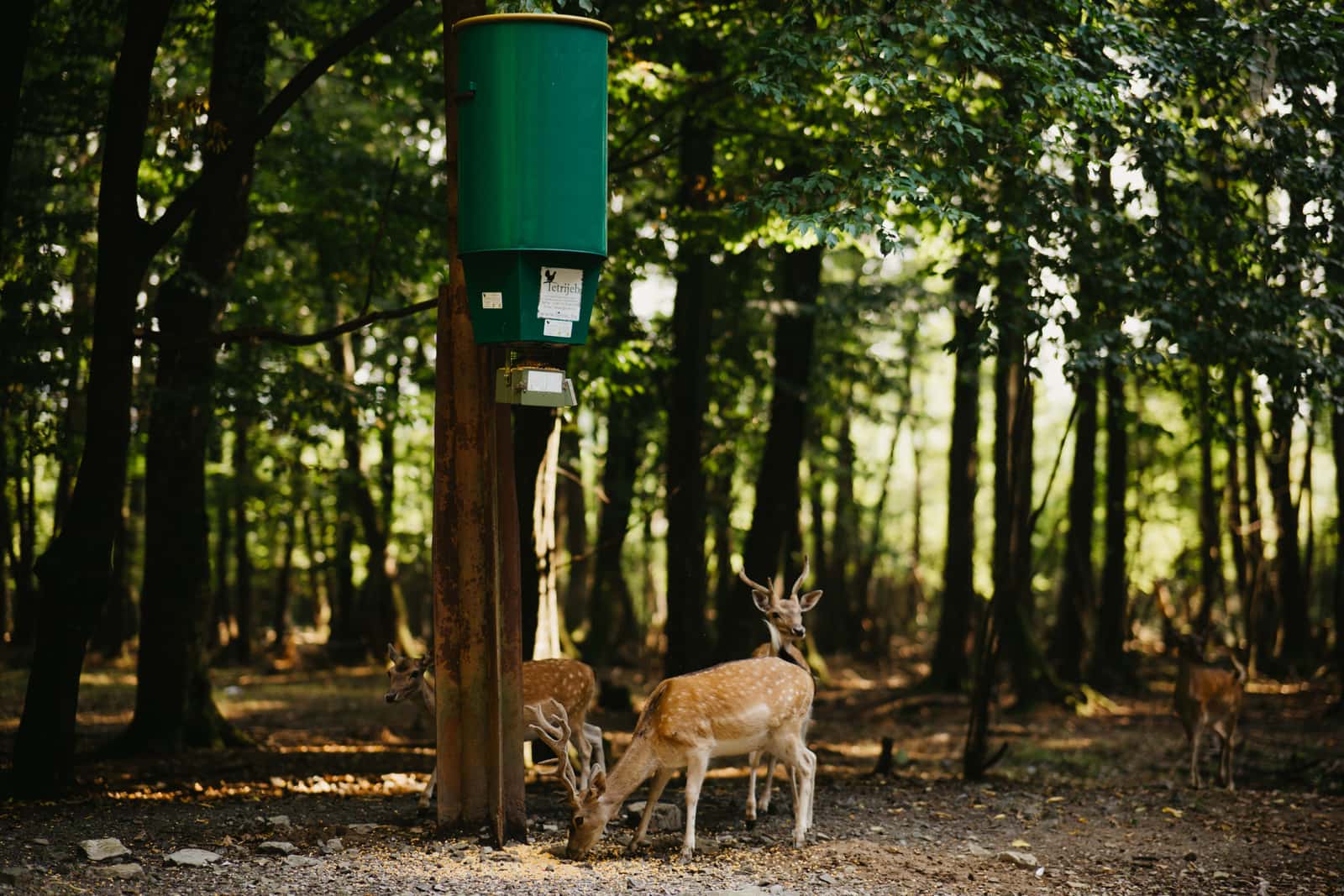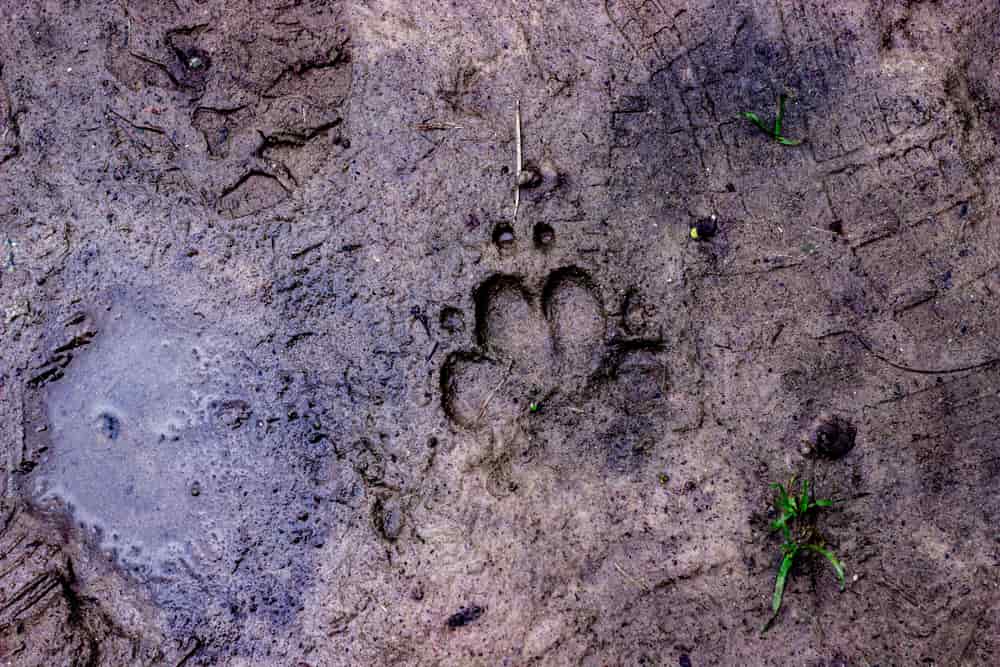
If you've only ever found the damage and never the hogs, timing is the reason. Hogs do most of their moving when you're not there: at the edges of the day and after dark. This guide pulls together what Texas Parks and Wildlife, USDA APHIS and Texas A&M researchers have published about when hogs are active, what shifts their schedule, and where they spend the day. Everything below comes from those sources; where they don't answer a question, we say so.
The pattern at a glance
| Condition | What the sources say about activity | Source |
|---|---|---|
| Typical day | Generally active at dusk and dawn; nocturnal feeding driven by human activity and climate | TPWD |
| Summer / heat | More nocturnal; in warm weather hogs use shade, feed at night and wallow | USDA APHIS; AgriLife |
| Winter | More daytime (diurnal) activity | USDA APHIS |
| Hunted or trapped hogs | Usually more nocturnal | USDA APHIS |
| Extreme heat or cold snaps | Overall movement drops; in one South Texas study, movement still picked up by 7:00 PM | Texas A&M NRI summary |
| Hot hours of the day | Bedded in dense, thorny cover or lying in wallows | AgriLife L-5523 |
Time of day: dusk, dawn and night
Texas Parks and Wildlife's summary is the plainest: "Wild pigs are generally active at dusk and dawn, but human activity and climatic conditions may cause them to exhibit nocturnal feeding behaviors" ( TPWD, Nuisance Wildlife in Texas: Wild Pigs).
Research on collared hogs leans further toward night. A Texas A&M Natural Resources Institute review of activity studies opens with "Feral swine are generally nocturnal animals and are often most active at night," while noting that with little control pressure, or under certain conditions, they also show dawn and dusk (crepuscular) and even daytime activity. In a southern Texas study it summarizes, 25 hogs wore GPS collars and "the majority of all movement observed in the study was nocturnal activity" (Texas A&M NRI, March 2021).
USDA APHIS lands in the same place from the management side: "Both diurnal and nocturnal activity is common, but feral swine subject to repeated control efforts or recreational hunting are usually more nocturnal" (USDA APHIS Wildlife Services, 2020). So the honest answer to "day or night?" is: both are possible, and the hogs most landowners deal with, the ones that have been shot at or trapped, lean hard toward night.
What time do hogs come out at night?
No source we found gives a clock time that holds everywhere, and it would be misleading to invent one. The closest figure comes from the southern Texas GPS study summarized by NRI: cold snaps and intense heat "caused a sudden reduction in overall wild pig activity, however, movement increased by 7:00 PM." That's one study, one area and specific weather, not a rule.
What changes the answer on your place: the season (sunset moves by hours between June and December), the heat, how much the hogs have been pressured, and where their food and water are. That's why a trail camera beats any chart. Two weeks of timestamped photos at a feeder, a wallow or a trail tell you when your hogs arrive, which is the number that matters.
By season and temperature
Heat drives most of the seasonal shift. Hogs don't sweat: AgriLife's ecology page notes they "do not possess sweat glands," so "in warmer conditions feral hogs can use shaded areas, feed nocturnally, or wallow in mud to maintain appropriate temperatures" ( Texas A&M AgriLife, Feral Hog Ecology). USDA APHIS spells out the result: seasonal temperature changes cause "increased nocturnal activity during the summer and diurnal activity in the winter," likely as a way to regulate body temperature.
- Summer: expect hogs mostly after dark, with the hot hours spent bedded in cover or lying in wallows. AgriLife's sign guide says that in hot weather, hogs often lie in wallows during the day.
- Winter: more daytime movement, per APHIS, which is when landowners are most likely to see hogs in daylight.
- Late winter into spring (southern Texas): the GPS study summarized by NRI found hogs "increased activity during warmer periods of the growing season from January-April."
- Temperature extremes: the same NRI review reports that extreme high and low temperatures reduced movement.
Weather, pressure fronts and the moon
The NRI review describes a 2017 analysis of more than 400,000 GPS locations from 13 studies across six states. Temperature, barometric pressure and access to water had the greatest effect on activity, and higher pressures ("such as those preceding a frontal boundary," between 97,500 and 101,250 Pa) were best for movement. On the other side, "intense cold periods, lower atmospheric pressure, and high humidity" were shown to reduce movement in both North American feral swine and European wild boar.
The moon comes up mostly in the European research. Studies in Italy and France found wild boar activity was "highly influenced by temperature, humidity, and phases of the moon," and the review notes that more moonlight can mean more nocturnal activity. Treat that as a lead to check on your own camera, not a rule for Texas hogs.
How hunting pressure changes the schedule
Pressure pushes hogs toward night. APHIS says so directly, and adds a management note worth reading twice: recreational hunting "is generally not considered an effective management option," partly because hog "behaviors or movements may be altered such that they impede other removal operations (e.g., trapping)." TPWD also names human activity as a driver of nocturnal feeding.
The research isn't one-sided, though. The NRI review found that in the studies it covered, daytime activity was driven more by season, temperature, food and water than by hunting or trapping, and that sustained hunting did push European boar toward night. The practical reading: every shot fired and every trip to the feeder is pressure, and pressure is what the sources tie to more night activity. The research also found that trapping first and then shooting worked better than doing both at the same time.
Food, water and how far hogs move
- Short daily movements. APHIS reports average hourly movement of about 0.2 to 0.3 miles, with a maximum of 0.5 to 1.3 miles, and larger moves when adult males are looking for breeding opportunities or food and water are scarce.
- Same trails, same beds. Relatively unpressured hogs "can usually be tracked as they consistently use the same trails and bedding areas" (APHIS).
- Scarce food brings them to bait. The NRI review: when food is plentiful, hogs "travel less in search of food and are less likely to visit baited trap or strategic shooting locations"; when it's scarce, they travel farther and are more likely to visit baited areas.
- Heat and drought pull them to water. Drought and high temperatures "can also concentrate feral swine closer to permanent water sources," and both studies in the review tied summer trapping success to a trap's distance from water.
AgriLife's sign guide adds the landscape view: hogs "may routinely travel from one field that offers cover to another field that provides food," and key travel corridors often follow creeks, sloughs and ponds (AgriLife L-5523, Recognizing Feral Hog Sign).
Where do hogs sleep during the day?
In the thickest cover they can find. AgriLife's sign guide says feral hogs "spend significant time in beds during hotter periods of the day," typically in "dense vegetation comprised of vines, brambles, fallen trees, and other thick or thorny vegetation." They make shallow beds by turning over the soil to expose cool dirt, and these spots offer "both security and shade." Beds are often near wallows, and the guide's advice for finding them is to follow hog trails into extremely thick vegetation (L-5523). APHIS agrees that beds and farrowing nests are typically found in dense vegetation or cover, with farrowing nests generally larger and lined with leaves or grass.
You don't need to find the beds to control hogs, and walking through bedding cover is the kind of disturbance the pressure research warns about. Knowing where the thick cover and water sit tells you which trails between them to watch.
How to pattern your own hogs
- Find the sign. Rooting, wallows, rubs, tracks, trails, droppings and beds all mark hog use (L-5523). Start where sign is fresh.
- Put a camera on it. A feeder, a wallow or a trail between cover and water. In the Texas feeder study behind AgriLife's fence advice, researchers set cameras about 5 meters (roughly 16 feet) from each feeder and watched for two weeks before changing anything (Rattan et al., 2010). Two weeks is a sensible baseline for your own place too.
- Log arrival times. Write down the first hog photo each night, the size of the group and the weather. After two weeks you'll see a window.
- Stay out. A cellular camera sends photos to your phone, so you learn the pattern without walking in. A card camera works, but every card pull is a visit.
- Re-check when things change. Heat, a cold front, a dry spell or a round of shooting can all move the window, per the research above.
Gear for patterning
Two things do most of the work: a camera that reports arrivals to your phone, and a light at the feeder for the night you act on the pattern. On lights, one note on color: pigs have two types of color cones, peaking in the blue and green-yellow range (Neitz & Jacobs, 1989). Hunters use red and green lights on the theory that hogs see those colors poorly; how hogs actually respond varies, and we haven't found a field study that settles it.
Our picks for this job
A camera to learn the window and a light for it
Chosen for the patterning job: an all-network cellular camera that can also run a Moultrie feeder on your schedule, and a multi-color light with motion and dusk-to-dawn modes. Researched from maker specs, not tested by us.
 Stock photo
Best budget cellular trail camera
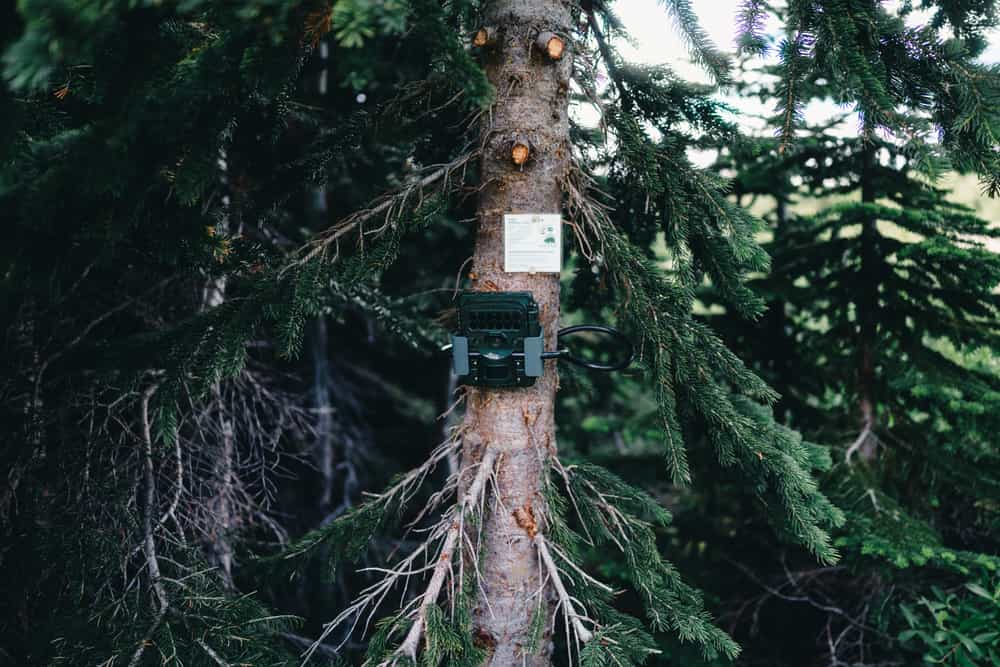
Moultrie Edge 3
Under $5007.4/10ResearchedAuto-connects to all four major networks, and pairs with Moultrie Bluetooth feeder timers for cellular feeder control, so you can move the feed time to match what the camera shows. Low-glow flash, and a paid plan is required.
Check price · Amazon#ad · Price set by Amazon · How we make money for the link to Moultrie Edge 3
 Stock photo
Best multi-color feeder light
Elusive Wildlife 3 Color Motion Activated Feeder Light
Under $5008.3/10ResearchedRed, green or amber, three brightness levels that ramp up slowly, and a choice of motion mode (1, 3 or 10 minute on-time) or dusk-to-dawn. Runs on C cells or a 6/12 V feeder battery.
Check price · Amazon#ad · Price set by Amazon · How we make money for the link to Elusive Wildlife 3 Color Motion Activated Feeder Light
For more camera options, including no-plan and free-plan models, see our best cellular trail cameras and our best trail camera for night rankings. For more lights, see the best hog feeder lights.
Putting the pattern to work
For trapping, the pattern tells you where to pre-bait. AgriLife says bait should be available "every single day to help make that location part of the hog's regular travel pattern" ( Coping with Feral Hogs, Trapping). Our step-by-step guide to trapping feral hogs picks up from here.
For shooting, the NRI review suggests that for North American feral swine, strategic shooting "may also be best implemented at night, especially during times of high atmospheric pressure, warm temperatures and/or low resource availability." If you don't own a thermal, our guide to hunting hogs at night without thermal covers lights, feeders and rests. In Texas, TPWD says using a spotlight for feral hogs in deer country is legal, with a recommended courtesy call to the local game warden (TPWD FAQ); never shine or shoot protected game. Read can you hunt hogs at night in Texas before you go.
For protecting a feeder, knowing hogs arrive at dusk tells you a timer alone won't save the corn. Our guide to keeping hogs away from a deer feeder covers the panel pen that researchers found works. More tools are in the feeders and trail cameras hub.
How we scored this
Units we claim to have tested: 0
Plenty of gear sites say they field-tested everything they list. We haven't, and we say so. Every pick here is labeled Researched: we read each maker's published specs, manuals and warranty terms, compare products only against others in the same budget tier, and score them on a public rubric. Every figure links to where it came from, and seller performance numbers are labeled “maker's claim.”
Scores are editorial judgments from that documented research, not test results. Commissions never set a score or decide a pick. The rubric and its weights are published.
Questions
Frequently asked
When are hogs most active in Texas?
What time do hogs come out at night?
Where do wild hogs sleep during the day?
Are hogs active during the day?
Do hogs move more before a cold front?
Does the moon affect when hogs move?
Receipts
Sources
- Texas Parks and Wildlife, Nuisance Wildlife in Texas: Wild Pigs (checked 2026-09-19)
- USDA APHIS Wildlife Services, Feral Swine, Wildlife Damage Management Technical Series (Glow, Snow and VerCauteren, Aug. 2020) (checked 2026-09-19)
- Texas A&M Natural Resources Institute, Activity patterns and behavioral modifications of feral swine in North America and Eurasian boar in Europe (Jared Schlottman, Mar. 11, 2021) (checked 2026-09-19)
- Texas A&M AgriLife, Coping with Feral Hogs: Feral Hog Ecology (checked 2026-09-19)
- Texas AgriLife Extension, L-5523 Recognizing Feral Hog Sign (Lewis et al., Sept. 2009), PDF (checked 2026-09-19)
- Texas A&M AgriLife, Coping with Feral Hogs: Trapping (checked 2026-09-19)
- Rattan et al., Exclusion Fencing for Feral Hogs at White-tailed Deer Feeders, Texas Journal of Agriculture and Natural Resources 23:83-89 (2010) (checked 2026-09-19)
- Neitz and Jacobs, Spectral sensitivity of cones in an ungulate, Visual Neuroscience 1989 (PubMed 2487648) (checked 2026-09-19)
- TPWD, Law enforcement FAQ: spotlights for coyotes and feral hogs in deer country (checked 2026-09-19)
- Moultrie: Edge 3 Cellular Trail Camera product page and spec table (checked 2026-09-19)
- Elusive Wildlife: Kill Light Pro 3 Color Feeder Light product page (checked 2026-09-19)
We haven't tested the gear on this page and we don't pretend to. Specs come from each maker's own pages or the product listing (linked on every product), hog biology and trapping advice from Texas A&M AgriLife, and rules from TPWD and Texas statute. Prices are set by Amazon and change often, so we don't print them. Where a figure isn't published, we say so. Read the full method.