Rooted pasture is two problems: the hogs that did it and the ground they left behind. This guide deals with the second one, in the order that holds up: stop the damage, read the ground, repair by forage type, then protect the repair while it grows back. The repair methods come from Noble Research Institute and university extension sources, cited as we go. Where those sources don't describe a step, we leave it out. A repair that fails costs you another season, so guesses have no place here.
One honest caveat up front. Noble's Josh Gaskamp, writing in Hay & Forage Grower (April 2021), says there is no single blanket recommendation: forage type and biomass, soil texture, moisture and the extent of the rooting all change which tools work. Treat the steps below as the options the sources describe, and match them to your ground.
Step 1: Stop the hogs before you fix anything
The most common mistake is repairing ground the sounder still visits. Gaskamp is direct about the order: when using trapping and hunting, "do so before planting. Employing these techniques after seed is in the ground will be less effective because pigs will have identified a dependable food source." He adds that pigs "will almost always choose the planted food source, as entering a trap is risky." Freshly worked ground and new seed compete with your trap bait, and the trap loses.
The payoff for trapping first is measurable. A study led by Gaskamp (Cogent Environmental Science, 2018) removed 356 wild pigs over two years. After just one trap session, rooting damage across the three study sites fell by 43 to 82%, and total damage dropped 90% from the start of the project to the end. Damage also fell on nearby areas that weren't trapped. The same authors warn that wild pigs "have high reproductive rates, high survival, and can recolonize areas rapidly," so long-term relief takes large-scale, intensive control. Our explainer on how fast feral hogs reproduce shows why a partial cleanup refills quickly.
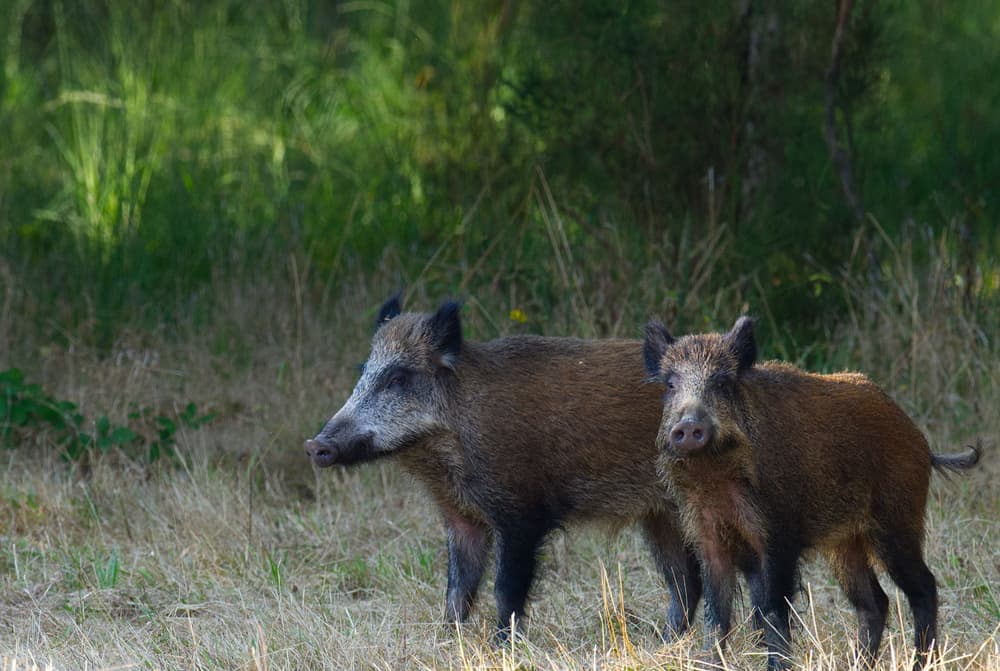
That's why the target is the whole sounder, not a hog here and there. Texas A&M AgriLife's trapping guidance calls corral traps a very successful style because their size can capture entire sounders at once, and it stresses keeping bait out every single day so the site becomes part of the hogs' routine. Noble's Derick Warren puts the alternative plainly (Noble Research Institute): "If you shoot at them, you might get rid of one, but the rest scatter. Then they become your neighbor's problem for a while."
For the full plan, start with how to get rid of feral hogs, then work through trapping feral hogs step by step. If you need trap hardware, our ranking of hog trap systems Amazon actually sells is the place to compare.
Step 2: Read the damage before you pick a tool
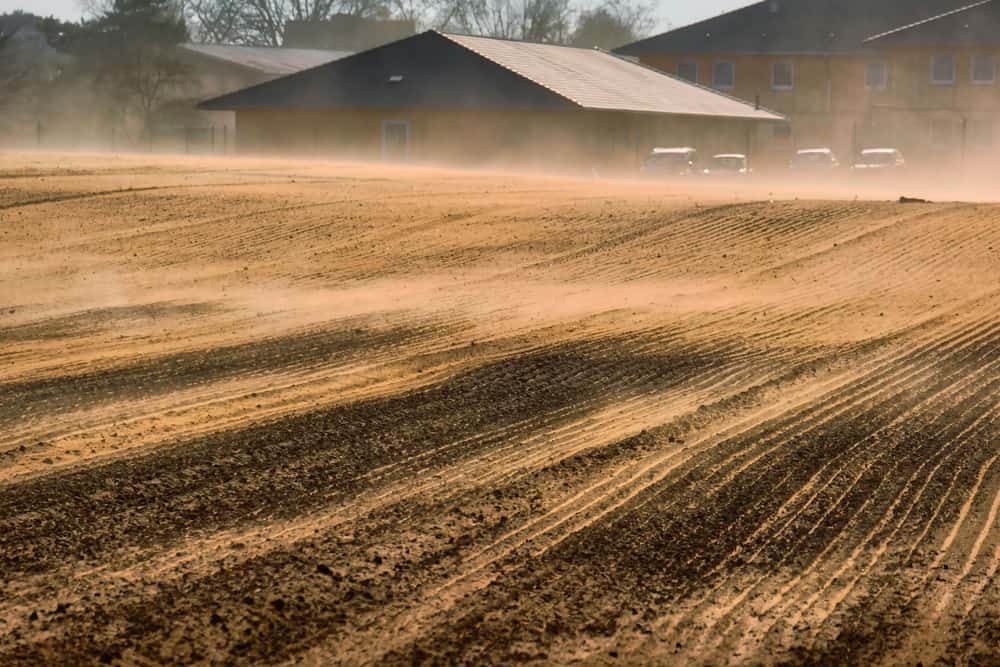
Walk the field before you hook up anything. Gaskamp describes the most common sight as pieces of sod (vegetation, roots and soil together) flipped over, sometimes still attached to the ground beside them by roots. He puts rooting depth anywhere from an inch or less to 2 to 3 feet, and the extent anywhere from a few small patches to acres. Soil texture affects how deep they go, and food availability affects how much ground they cover.
Note these five things, because each one changes the repair:
- What's growing: bermudagrass, a small grain like wheat or oats, a lawn, or native grasses.
- How deep: shallow scuffing along planted rows is a different job from holes a tire could drop into.
- How much: a few patches can be fixed by hand; acres can't.
- Soil moisture: rooted ground can harden, and the landowner in step 4 waits for rain to soften it before smoothing.
- Slope: the Noble piece on hog costs notes that on sloped ground "the opportunity for erosion is high while forages attempt to reseed and take root." Watch those areas most closely.
Be careful with equipment on rooted ground. Mississippi State University Extension notes that rooting "creates holes and ruts that can damage farm equipment and endanger operators", and Noble ranch manager Curtis Larson has seen mowers, rakes and other field equipment damaged crossing a field after hogs. Drive it slowly the first time. If you want the bigger picture of what the rooting costs, our page on feral hog damage lays out the published figures.
Step 3: Repair by what's growing
These are the four situations Gaskamp describes in Hay & Forage Grower, with the tools he names for each.
Lawns and a few small patches
Do it by hand. Gaskamp's view is that any equipment on a lawn will likely cause more disturbance than using your hands or a rake to flip the sod back over and set it into the bare spots.
Rooted bermudagrass pasture and hay meadows
This is the common case and, in Gaskamp's words, "one of the most difficult to repair." Bermudagrass that is grazed or cut for hay is a prime target for deep rooting. The sequence he describes:
- Disk the rooted areas.
- Drag behind it with a drag, chain harrow, or rock or stick rake to fill the holes and level the surface.
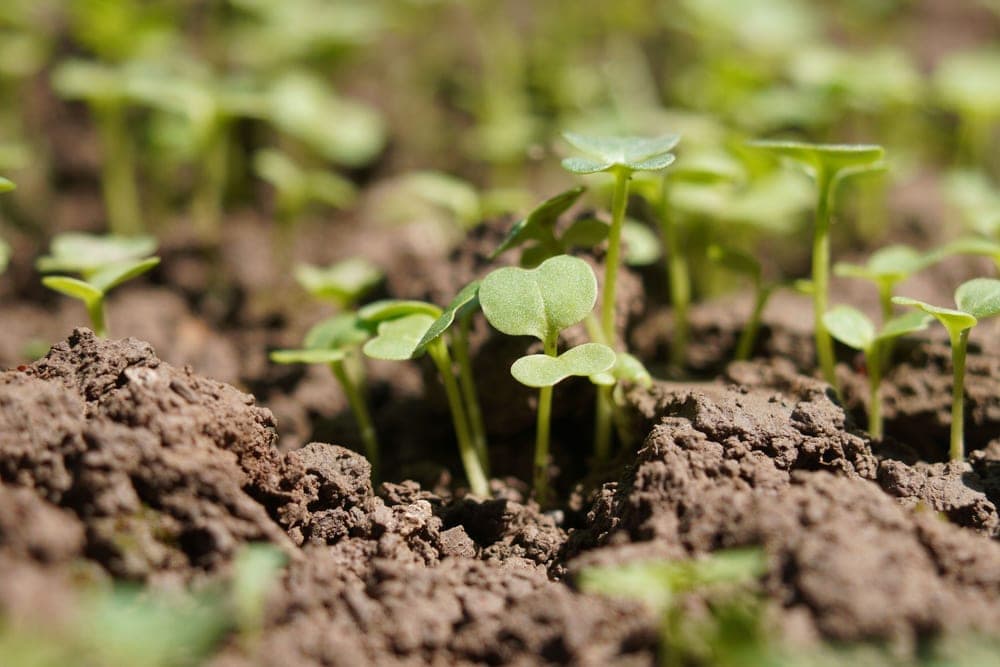
- Let the bermudagrass fill in. Gaskamp notes it covers the soil quickly, because this method redistributes sprigs into the filled holes.
Recently sown small grains
Pigs pick up planted seed, sometimes following the planter row in a straight line, which leaves shallow rooting. On pastures with conventional, light or no tillage and little standing forage, Gaskamp says the damage can be fixed with a simple drag, an arena drag, a chain harrow or a cultipacker.
Large areas you had to till
When the damage covers enough ground that you end up tilling it, Gaskamp recommends planting the vegetation you want afterward rather than leaving it bare. His reason: soil disturbance by wild pigs can wake dormant weed seeds or give a start to undesirable and invasive plants whose seeds arrive on the pigs' coats. Noble's cost piece adds that hog waste can carry invasive seeds too.
Step 4: Time it to soil moisture
Moisture decides when the smoothing works. In a University of Missouri Extension story (October 2023), a landowner repairing hog-rooted pasture waits for soaking rains to soften the ground before he smooths the ruts, then reseeds. The rooted spots on his place had hardened, with damaged areas the size of tractor tires.
Plan for the recovery to take a while. Noble's Curtis Larson has seen hogs do enough damage that it takes the pasture a year to recover. Build that into your grazing and haying plans, and keep the trap running through it (step 1 still applies).
For small grains, the timing question is mostly about the hogs, not the soil: Gaskamp's advice is to do the trapping before planting, because seed in the ground makes the trap less attractive.
The tools, and where to borrow them
| Situation | Tools the source names | Source |
|---|---|---|
| A few patches in a lawn | Your hands or a rake | Noble (Gaskamp, 2021) |
| Deeply rooted bermudagrass pasture or hay meadow | Disk, then a drag, chain harrow, or rock or stick rake | Noble (Gaskamp, 2021) |
| Recently sown small grains, little standing forage | Simple drag, arena drag, chain harrow or cultipacker | Noble (Gaskamp, 2021) |
| Large areas that had to be tilled | Replant the vegetation you want afterward | Noble (Gaskamp, 2021) |
| Smoothing ruts and reseeding | No-till drills, cultipackers and harrows (lent to landowners by local districts in Missouri) | University of Missouri Extension (2023) |
You may not need to buy the equipment. In the Missouri program, local Soil and Water Conservation Districts received funding to buy no-till drills, cultipackers and harrows to lend to landowners repairing hog damage. That was a Missouri program, so don't assume your district has the same, but it's worth a call to your local soil and water conservation district or county extension office before you rent or buy.
Step 5: Protect the repair while it grows back
New seed and loosened soil are an invitation. Two published fence recommendations are worth knowing, and they don't use the same wire heights, so we give both:
- Noble (Gaskamp): protect small grains from planting until they have a couple of inches of growth with temporary electric fencing spaced approximately 12 and 26 inches off the ground. For recurring, high-value hay or ground that gets hit again and again, he notes that woven wire and eight-strand barbed wire fencing have proven to reduce intrusion.
- Texas A&M AgriLife: its prevention guidance calls for at least two strands, with the lower strand low enough to hit juvenile and adult pigs on the nose (approximately 8 inches and 18 inches respectively).
Both sources agree on two strands set low, at nose height for a hog. AgriLife adds a caution worth taking seriously: electric fences may not be a permanent solution, and if they are used too often in an area or food is scarce, hunger can leave hogs desensitized to the shock. A fence buys the repair time to establish. It doesn't replace trapping. For a charger that can push enough energy down a two-wire hog line, see our ranking of the best electric fence chargers for hogs, scored on output joules rather than "miles" claims.
Our picks for this job
A charger for the repair and a gate for the trap
One pick to keep hogs off a reseeded field that has no power nearby, and one for the corral trap that removes the sounder first. Both are chosen from published specs; we haven't used either.
 Stock photo
Best charger for a food plot without power
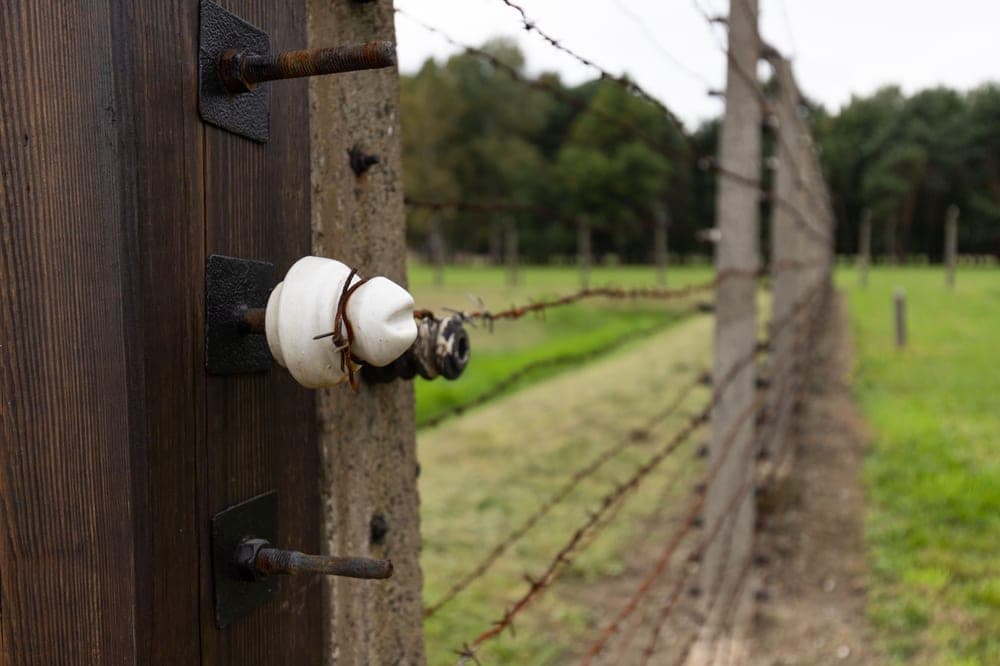
Patriot P10 Dual Purpose Fence Energizer
Under $5007.6/10Researched1.0 output joule from a 12 V battery or a 110 V plug, so it can run a temporary two-wire fence around a reseeded field far from the barn. Battery and solar panel are sold separately.
Check price · Amazon#ad · Price set by Amazon · How we make money for the link to Patriot P10 Dual Purpose Fence Energizer
 Stock photo
Best drop gate for a DIY corral trap
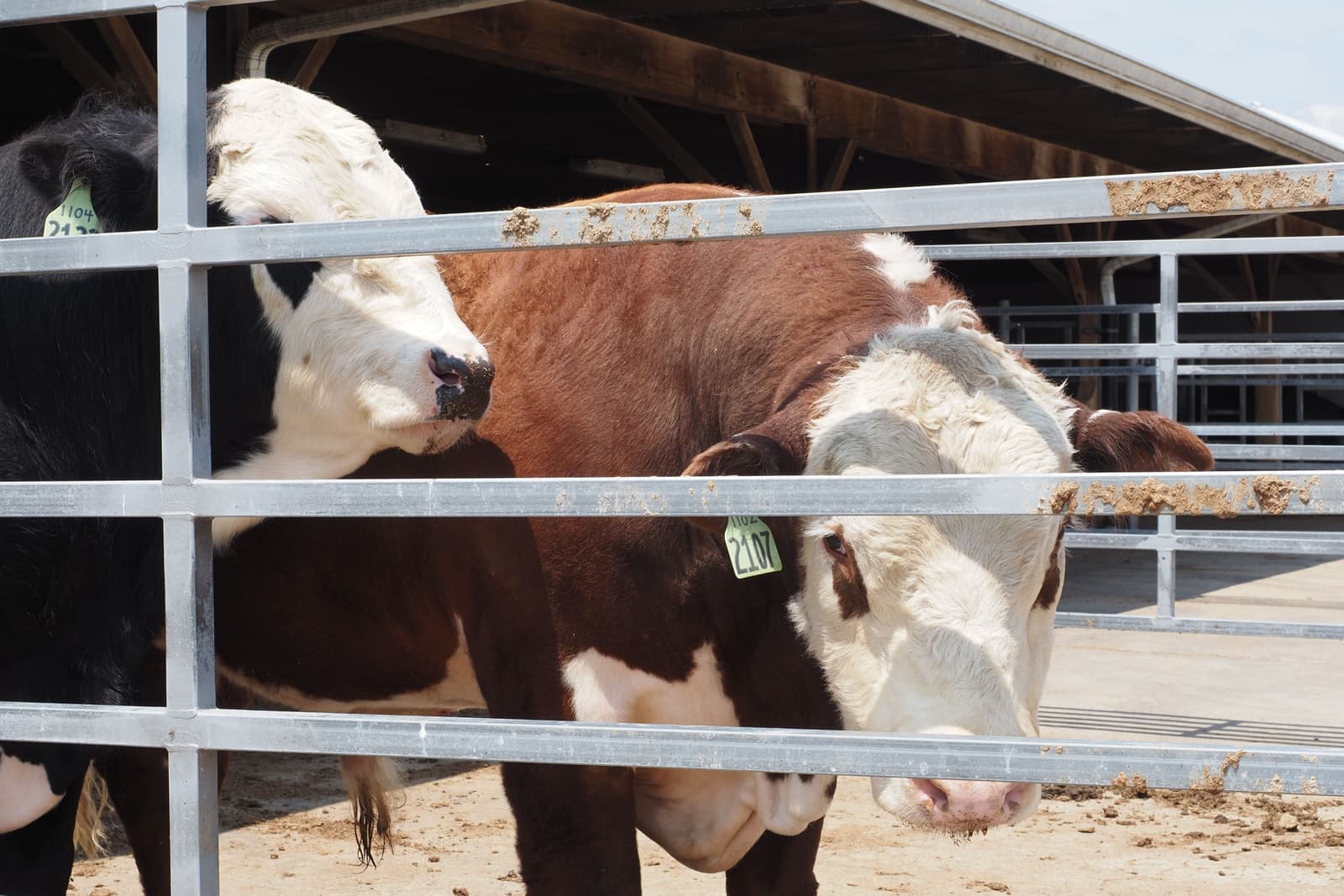
The Hunt Supply 6 ft Hog Trap Gate
$1,000 to $2,0005.3/10ResearchedA 6 ft guillotine drop gate for a corral trap you build from panels and T-posts. Add a cellular trigger and a camera so you drop it when the whole sounder is inside. It is the gate only.
Check price · Amazon#ad · Price set by Amazon · How we make money for the link to The Hunt Supply 6 ft Hog Trap Gate
If you trap, what happens next is regulated in Texas. Live feral hogs can move only under Texas Animal Health Commission rules, which allow transport to a recognized slaughter facility, an approved holding facility or an authorized hunting preserve, with up to seven days in an escape-proof enclosure (4 TAC §55.9). Our guide to what to do with trapped hogs in Texas covers the options.
Longer term: forage choice and neighbors
Some forages draw more hog damage than others. Gaskamp notes that annual small grains like wheat, rye and oats are attractive targets, and that among perennial warm-season plants, introduced forages such as bermudagrass typically receive the most damage. Pigs have an affinity for bermudagrass and johnsongrass roots in winter and spring, and a monoculture makes for efficient foraging. By contrast, wild pigs don't seem to have the same preference for most native plants, which also tend to root deeper than bermudagrass's horizontal rhizomes. That isn't a reason to tear out a productive hay field. It is worth weighing when you decide what to plant in ground that gets rooted every year.
Then there are the neighbors. "I can control those acres, but if my neighbors are doing nothing, we're collectively doing nothing," Gaskamp says in the Noble article. "Pigs don't stay within one ranch." The 2018 trapping study backs him up from the other direction: intensive trapping on one property reduced damage on neighboring ground too. The Missouri program above is a large version of the same idea, with more than 15 federal and state partners working across 27 counties.
If trapping isn't practical for you, or you want help, USDA APHIS says to call the APHIS Wildlife Services office in your state, and Gaskamp suggests the same. The rest of our hog control and Texas rules hub covers the legal side and the full removal system.
How we scored this
Units we claim to have tested: 0
Plenty of gear sites say they field-tested everything they list. We haven't, and we say so. Every pick here is labeled Researched: we read each maker's published specs, manuals and warranty terms, compare products only against others in the same budget tier, and score them on a public rubric. Every figure links to where it came from, and seller performance numbers are labeled “maker's claim.”
Scores are editorial judgments from that documented research, not test results. Commissions never set a score or decide a pick. The rubric and its weights are published.
Questions
Frequently asked
How long does it take a pasture to recover from hog damage?
Should I repair hog damage before or after trapping?
What equipment fixes hog rooting in a pasture?
When is the best time to fix hog damage?
Will hogs come back after I repair the pasture?
Do I need to reseed after hog damage?
Receipts
Sources
- Hay & Forage Grower: When hogs go wild, by Josh Gaskamp of Noble Research Institute, April 15, 2021 (checked 2026-09-19)
- Noble Research Institute: Four ways feral hogs cost farmers and ranchers (checked 2026-09-19)
- Gaskamp, Gee, Campbell, Silvy and Webb: Damage caused to rangelands by wild pig rooting activity is mitigated with intensive trapping, Cogent Environmental Science, 2018 (abstract checked 2026-09-19)
- University of Missouri Extension: Partnership helps southern Missouri landowner stave off feral hogs, Oct. 30, 2023 (checked 2026-09-19)
- Texas A&M AgriLife, Coping with Feral Hogs: Prevention strategies (fencing) (checked 2026-09-19)
- Texas A&M AgriLife, Coping with Feral Hogs: Trapping (checked 2026-09-19)
- Mississippi State University Extension, Wild Pig Info: Agricultural damage (checked 2026-09-19)
- USDA APHIS: Feral Swine, Managing an Invasive Species (checked 2026-09-19)
- Texas Administrative Code, 4 TAC §55.9, feral swine movement (Cornell LII, checked 2026-09-19)
- Patriot: P10 Dual Purpose Fence Energizer product page (checked 2026-09-19)
- J4 Welding: Boar Door Hog Trap Gate, 6 ft product page (checked 2026-09-19)
We haven't tested the gear on this page and we don't pretend to. Specs come from each maker's own pages or the product listing (linked on every product), hog biology and trapping advice from Texas A&M AgriLife, and rules from TPWD and Texas statute. Prices are set by Amazon and change often, so we don't print them. Where a figure isn't published, we say so. Read the full method.