Not legal advice. This page summarizes Texas rules from the official sources linked in the text (TPWD Outdoor Annual, valid Sep 1, 2026 through Aug 31, 2027). Rules checked . Laws change: confirm the current rules with Texas Parks and Wildlife and your local game warden before you rely on them.
Finding somewhere to hunt, which is the real problem
Most people reading about hog hunting in Texas do not have a gear problem. They have an access problem. Four routes, in rough order of how well they work:
- Ask landowners who have a hog problem. This is the one that works, and it is less awkward than it sounds — TPWD's own wild pig pages frame hogs as a nuisance species costing landowners real money. Turn up in daylight, be specific about what you will and will not do, and offer to help with the trap rather than just shoot.
- Your county AgriLife Extension office. The county directory is public. Agents hear from landowners with hog damage constantly and often know who is looking for help.
- TPWD public hunting. The Annual Public Hunting permit opens up a lot of acreage; read the need-to-know page carefully, because public land rules differ substantially from private-land hog rules, including on night hunting.
- Guided or lease hunts. The paid route. Fine, and not what this page is about.
If you are starting from zero, note that Texas hunter education requirements apply by age and licence type (TPWD hunter education). Sort that before you worry about optics.
Reading the ground
Texas A&M AgriLife publishes a short field guide to recognizing feral hog sign, and it is the single most useful free document for a new hog hunter. What you are looking for, and what each thing tells you:
- Rooting. Overturned soil in patches, like someone went through with a hand plough. Fresh rooting is dark and damp; old rooting is dried and crusted at the edges. This is feeding sign and it is the most reliable indicator of a worked area.
- Wallows. Muddy depressions near water. Hogs cannot sweat, so wallows are temperature management and they get used hard in summer.
- Rubs. Mud and hair on tree trunks, posts and the lower part of fences, usually right beside a wallow. Rub height gives you a crude idea of animal size.
- Tracks. Rounder and blunter than a deer's, often with dew-claw marks that sit wider than the main hoof. In soft ground around a feeder, track size spread tells you whether you are looking at a family group or a lone boar.
- Trails and crossings. Hogs are creatures of habit and they wear paths through brush and under fences. A low gap under a fence with hair on the wire is a highway.
- Scat and bedding. Flattened ovals in thick cover, usually shaded and near water.
AgriLife's feral hog ecology page is the background: food, water and cover, and a group animal that travels together. Put those three together on a map of the property and you have narrowed the whole place down to a handful of spots worth sitting.
Choosing the sit
You are looking for a place where food, water and cover meet, with a safe shooting angle and a wind you can live with. In practice that means:
- A feeder or bait site they have already learned. Easiest, most predictable, and the reason most of this site is about feeders.
- The edge of a crop field or food plot against cover — hogs come out of the thick stuff at dark.
- A water source in dry weather. In August, water beats food.
- A crossing between bedding and feeding. Harder, better for a lone mature boar.
Then get elevated if you can. On flat ground, height is what gives you a safe downward angle and lifts your scent — our ranking is on best tripod stands, and the ground-level alternative on best ground blinds. If you cannot be elevated, be honest with yourself about what is behind every shooting lane before dark.
Wind, noise and approach
Mississippi State Extension puts playing the wind at the top of its wild-hog advice, and it is the correct ordering. Hogs have poor eyesight and an excellent nose, so the whole approach is a scent problem.
- Park further out than feels necessary and walk the last few hundred yards.
- Approach crosswind or downwind, even when it means a longer or less comfortable shot.
- Remember that cold air sinks after dark. If the feeder is below you in a draw, your scent is running downhill into it regardless of the forecast.
- Be quiet on metal. Gate chains, truck doors, a bipod leg on a shooting rail. These are the noises that empty a field.
- Get settled early. Twenty minutes of sitting still beats arriving at full dark and rattling into position.
Timing: season, moon and pressure
There is no closed season on feral hogs on private land in Texas, so "when" is about the animals, not the calendar.
- Hot weather pushes them later and nearer water. In midsummer, expect the first hogs well after dark and plan around wallows.
- Cool weather spreads activity out. Winter hogs move earlier and feed longer, which is the best time for anyone hunting without thermal.
- Pressure makes them nocturnal. Texas A&M's research summary on activity patterns and behavioural modification describes exactly this shift. Every failed hunt at a site trains the group a little further into the night.
- Hunt a site rarely. Once every week or two, properly, beats three half-hearted sits. This is the most under-appreciated tip on the page.
- Rain is your friend. Wet ground shows fresh sign unambiguously, so the morning after a storm is the best scouting trip of the month.
The three things worth owning first
Our picks for this job
A camera, something to see with, and a rest
In this order. A camera tells you where and when; a scanner or a light lets you work in the dark; a rest makes the shot. Every spec is the maker's published figure, and scores come from our published rubrics.
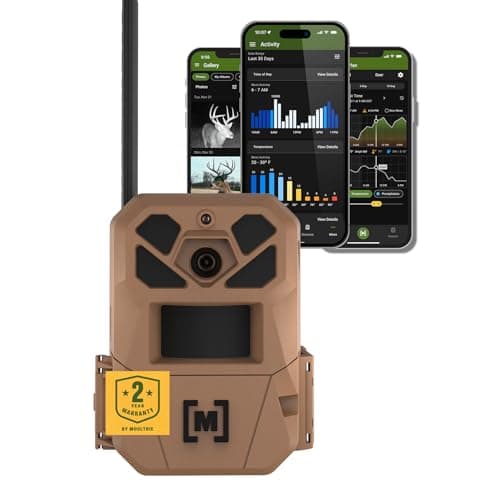
Best budget cellular trail camera
Moultrie Edge 3
Under $5007.4/10ResearchedBuy this first. A cellular camera turns guessing into knowing, and it scouts the property every night whether you are there or not.
$66.49Amazon#ad · Price as of October 11, 2026 · How we make money for the link to Moultrie Edge 3
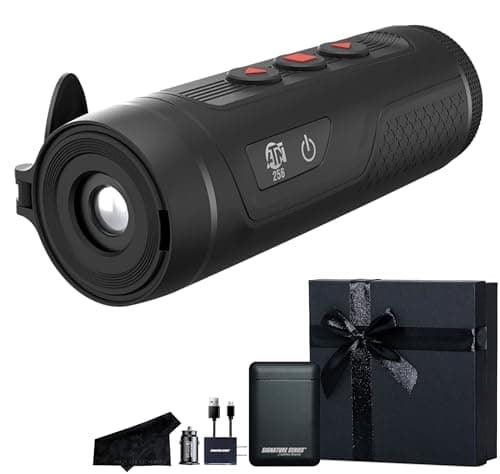
Best first thermal for feeder checks
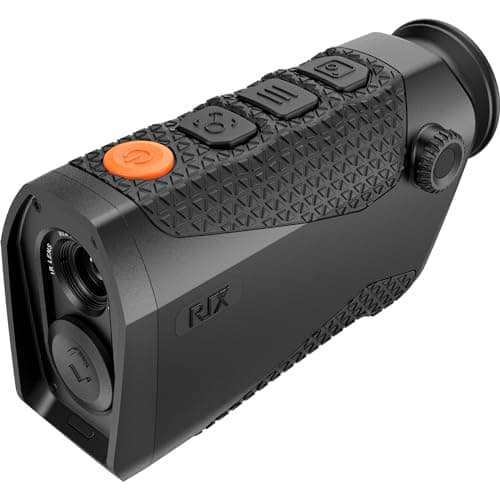
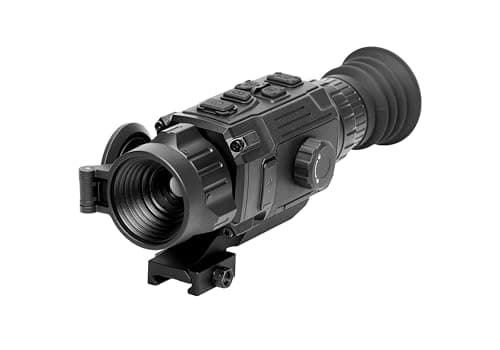
ATN BlazeSeeker 6 210 (10 mm)
Under $5006.5/10ResearchedThe cheapest honest way into thermal scanning: find the animal before you move, instead of walking in blind.
$499.00Amazon#ad · Price as of October 11, 2026 · How we make money for the link to ATN BlazeSeeker 6 210 (10 mm)
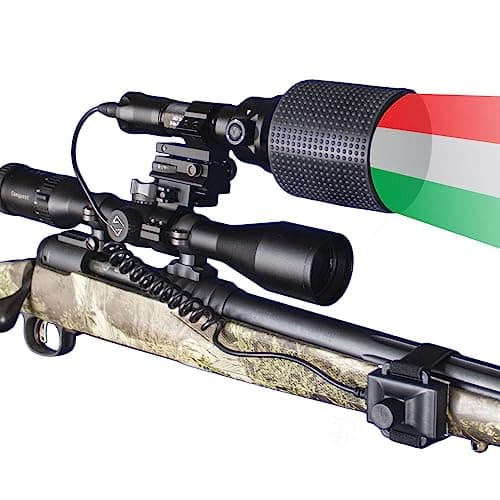
Best 3-color scope light
Wicked Lights A67iC 3-Color-in-1
Under $5007.8/10ResearchedIf thermal is not in the budget, a colour-changing gun light does the job at the distance most hogs are actually shot.
$269.95Amazon#ad · Price as of October 11, 2026 · How we make money for the link to Wicked Lights A67iC 3-Color-in-1
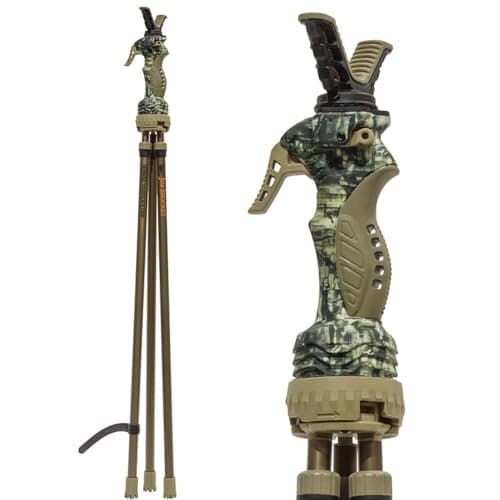
Best one-hand shooting stick for stalking
Primos Trigger Stick Gen3 Tall Tripod
Under $5007.5/10ResearchedA tall tripod rest adjustable one-handed - the difference between an aimed shot and a hopeful one when a group walks in.
$162.87Amazon#ad · Price as of October 11, 2026 · How we make money for the link to Primos Trigger Stick Gen3 Tall Tripod
Full rankings: cellular trail cameras, thermal monoculars, hog hunting lights and shooting sticks. The whole kit list is on hog hunting gear list.
The rules that actually apply
Mistakes that cost people hogs
- Hunting the same site every night. You are training them, not hunting them.
- Ignoring the wind because you have thermal. Thermal solves seeing. It does nothing about smelling.
- Sitting where it is comfortable instead of where the sign is.
- Shooting the first pig that shows up. Count the group; the edge animal is the shot. See hog shot placement.
- No camera. A week of camera footage is worth a month of guessing.
- Buying the optic before getting the access. The thermal is useless without ground to use it on.
- Treating hunting as the control plan. It is the follow-up to trapping, and saying so is how you keep access.
- Not knowing what is behind the animal. On flat ground at night this is the one that matters most.
How we scored this
Every score, built from the published record
Every pick here is labeled Researched: we read each maker's published specs, manuals and warranty terms, compare products only against others in the same budget tier, and score them on a public rubric. Every figure links to where it came from, and seller performance numbers are labeled “maker's claim,” so you can see exactly what you are buying.
Scores are our editorial read of that documented evidence. Commissions never set a score or decide a pick. The rubric and its weights are published.
What changed
- Published.
Questions
Frequently asked
How do I find somewhere to hunt hogs in Texas?
What does fresh hog sign look like?
What time of night is best for hog hunting?
Do you need thermal to hunt hogs?
Is hunting enough to get rid of hogs on a property?
Receipts
Sources
- Texas A&M AgriLife Extension: Recognizing Feral Hog Sign (checked 2026-10-11)
- Texas A&M AgriLife: feral hog ecology, food, water and cover (checked 2026-10-11)
- Texas A&M AgriLife: selective shooting as a feral hog control method (checked 2026-10-11)
- Texas A&M Natural Resources Institute: activity patterns and behavioral modifications of feral swine (checked 2026-10-11)
- Mississippi State University Extension: top tips for hunting wild hogs (checked 2026-10-11)
- TPWD: wild pigs / feral hogs nuisance species pages (checked 2026-10-11)
- TPWD: Annual Public Hunting, need to know (checked 2026-10-11)
- TPWD: hunter education requirements (checked 2026-10-11)
- Texas A&M AgriLife Extension: county office directory (checked 2026-10-11)
- TPWD: Outdoor Annual, Nongame and Other Species, feral hogs (checked 2026-10-11)
- Texas Parks & Wildlife Code §62.005, Hunting with Light (texas.public.law; checked 2026-10-11)
Specs come from each maker's own pages or the product listing (linked on every product), hog biology and trapping advice from Texas A&M AgriLife, and rules from TPWD and Texas statute. Prices are set by Amazon and change often, so we don't print them. Where a figure isn't published, we say so. Read the full method.